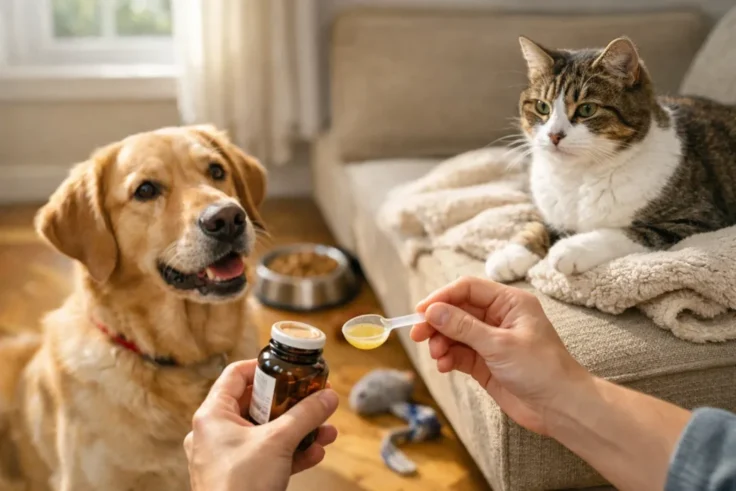
We all want our furry companions to live long, happy lives. Whether you have a playful puppy or a senior cat who loves to nap in the sun, nutrition is the foundation of their well-being. While high-quality commercial food is a great start, it doesn’t always cover every specific need your pet might have. Sometimes, even the best diets need a little boost to ensure optimal health. This is where the right supplements can bridge the gap between simply surviving and truly thriving.
As our pets grow older, we often face new worries regarding their care. You might notice your dog slowing down on walks or become concerned about your cat’s dull coat. Anxieties about vitamin deficiencies, joint stiffness, and general illness prevention are common for caring owners. However, the market is flooded with glossy bottles and powders, making it difficult to know what is actually safe. Learning how to choose supplements for pets is a critical skill. It protects you from marketing hype and ensures you aren’t accidentally upsetting your pet’s delicate nutritional balance.
Our goal with this guide is to help you make informed choices without the stress. We will walk you through practical pet nutrition tips and expert advice so you can advocate for your pet’s health with confidence.
Here are a few key takeaways you can expect from this guide:
- Identifying when your pet actually needs a nutritional boost
- Understanding common health issues like aging and deficiencies
- Key ingredients to look for and which artificial additives to avoid
- Practical tips for consulting your vet and reading product labels
Understanding Pet Nutritional Needs
Before you start adding powders or pills to your pet’s bowl, it is crucial to understand that every animal has a unique biological makeup. Just like humans, pets require a balanced mix of nutrients to thrive, but their specific requirements can vary wildly depending on their species, breed, and life stage.
Dogs and cats, for example, process food very differently. Dogs are omnivores, meaning they can derive nutrition from both plant and animal sources. Cats, on the other hand, are obligate carnivores. They need specific amino acids like taurine found only in meat to maintain heart and eye health. Feeding a cat a dog-focused diet (or supplement regimen) can lead to dangerous deficiencies. Smaller pets like rabbits or guinea pigs have entirely different digestive systems that rely heavily on fiber.
A balanced diet is the cornerstone of your pet’s overall health. When their food provides the right building blocks, their immune system stays strong, their coat shines, and their energy levels remain stable. These building blocks fall into a few essential categories:
- Vitamins: Organic compounds like Vitamin A, D, and E that support immune function and vision.
- Minerals: Inorganic elements like calcium and phosphorus which are vital for strong bones and teeth.
- Amino Acids: The building blocks of protein, essential for muscle growth and repair.
- Omega Fatty Acids: Critical fats that support brain development and reduce inflammation.
Even with high-quality commercial food, nutritional gaps can sometimes occur. Factors like food storage methods, cooking processes, or your pet’s individual absorption issues can lead to shortages in vital areas. Identifying these gaps early is key to preventing long-term health issues.
Here are some typical deficiencies to watch out for in pets:
- Vitamin D: Often lacking in homemade diets; essential for regulating calcium.
- Omega-3 Fatty Acids: Frequently degraded in dry kibble; crucial for skin and coat health.
- Zinc: A common deficiency in certain dog breeds (like Huskies) leading to skin lesions.
- B-Vitamins: Water-soluble vitamins that can be lost easily; important for energy metabolism.
Real-Life Tip: Before you buy any supplement, schedule a quick consultation with your vet. Many “deficiencies” share symptoms with other illnesses. For example, a dull coat might look like an Omega-3 shortage but could actually be a sign of a thyroid issue.
Types of Pet Supplements Available
The pet supplement aisle can be overwhelming. There are hundreds of products promising everything from shinier fur to endless energy. To navigate this, it helps to break them down into categories based on what they actually do.
Most supplements fall into one of these groups:
- Vitamins and Minerals: These are like your daily multivitamin. They are great for pets on homemade diets that might lack specific micronutrients.
- Probiotics and Digestive Aids: These contain healthy bacteria to support gut health. They are excellent for pets with sensitive stomachs or those recovering from antibiotics.
- Joint Health Supplements: Usually containing glucosamine, chondroitin, or MSM. These are staples for senior dogs and large breeds prone to hip issues.
- Omega Fatty Acids (Fish Oil): These oils are powerful anti-inflammatories. They help with itchy skin, dull coats, and even cognitive function in aging pets.
- Herbal and Natural Supplements: This category includes things like CBD oil for anxiety or milk thistle for liver support.
It is important to note that dosage and formulations differ significantly between products. A “joint chew” for a Great Dane will have a concentration that could be toxic to a Chihuahua. Always look for species-specific products. Giving a dog supplement to a cat can be dangerous because certain ingredients safe for dogs (like propylene glycol) can damage a cat’s red blood cells.
Commonly recommended examples include:
- Salmon Oil for dry skin.
- Glucosamine chews for arthritis prevention.
- Pumpkin powder (natural fiber) for digestion.
Signs Your Pet Might Need Supplements
Your pet can’t tell you when they are feeling “off,” but their body language and physical condition often speak volumes. Recognizing early warning signs is the first step in knowing how to choose supplements for pets effectively.
If you notice your pet losing weight despite a good appetite, it could indicate they aren’t absorbing nutrients correctly. Similarly, a coat that used to be glossy but is now dry, brittle, or shedding excessively often points to a lack of fatty acids or protein.
Here are other key signs to watch for:
- Lethargy: If your active dog suddenly doesn’t want to play fetch, they might be lacking energy-boosting B vitamins or iron.
- Joint Stiffness: Does your pet hesitate before jumping on the couch? Stiffness, especially in the morning, is a classic sign of early arthritis.
- Digestive Issues: Chronic loose stool, bad breath, or gas can suggest a gut flora imbalance that probiotics might fix.
- Behavioral Changes: Anxiety or pica (eating non-food items) can sometimes be linked to mineral deficiencies.
Quick Check for Owners:
- Is their coat dull?
- Are they moving slower than usual?
- Is their stool inconsistent?
- Are they scratching more than normal?
If you answered yes to any of these, it’s time to review their diet and consider if a supplement might help.
How to Evaluate Supplement Quality
Not all supplements are created equal. The pet supplement industry is not as strictly regulated as human pharmaceuticals, which means quality control can vary wildly between brands.
To ensure you are buying a safe product, you must become a label detective. The most important thing to look for is third-party testing or certification. In the USA, look for the NASC (National Animal Supplement Council) quality seal. This yellow seal indicates the company has passed a comprehensive facility audit and adheres to strict labeling standards.
When reading the ingredient list, apply the same logic you would for your own food.
- Avoid Fillers: Stay away from products where the first few ingredients are corn syrup, starch, or mysterious “meals.”
- Check for Artificial Additives: Artificial colors and preservatives are unnecessary and can cause allergic reactions in sensitive pets.
- Verify the Active Ingredients: Ensure the label clearly states how much of the active ingredient (e.g., 500mg of Glucosamine) is in each dose.
Real-Life Tip: Compare two products side-by-side. If Product A is $10 cheaper but requires you to give 4 chews to get the same active ingredients as 1 chew of Product B, Product B is actually the better value (and easier to administer!).
Vet Guidance and Personalized Plans
We cannot stress this enough: involve your veterinarian in this process. While blog posts and pet store employees can offer general advice, only your vet knows your pet’s specific medical history.
Self-prescribing supplements can sometimes mask serious underlying conditions. For instance, giving joint supplements to a limping dog might help temporarily, but if the limp is caused by a torn ligament or bone cancer, you are delaying critical treatment.
Your vet can offer:
- Blood Tests: These definitively identify deficiencies so you aren’t guessing.
- Health Assessments: Checking liver and kidney function to ensure your pet can metabolize the supplements safely.
- Customized Plans: Creating a regimen based on age, breed, and specific conditions.
Risks of Self-Prescribing:
- Overdosing on fat-soluble vitamins (A, D, E, K) which build up in the body.
- Creating imbalances (e.g., too much Calcium affects Phosphorus absorption).
- Spending money on products your pet simply excretes because they don’t need them.
Understanding Dosage
Dosage isn’t just about weight; it’s about metabolism and life stage. A puppy’s dosage for calcium is vastly different from a senior dog’s. Always start with the lowest recommended dose and monitor your pet for a week before increasing it to the full amount.
Pros and Cons of Pet Supplements
Like any health decision, using supplements comes with advantages and disadvantages. Being aware of both helps you maintain a balanced perspective.
Pros:
- Improved Quality of Life: Joint supplements can give an old dog a “second puppyhood” by reducing pain.
- Better Skin and Coat: Omega-3s can turn a scratchy, shedding dog into a soft, shiny one.
- Digestive Regularity: Probiotics can solve years of chronic loose stool issues.
- Peace of Mind: Knowing you are filling nutritional gaps can reduce anxiety about your pet’s diet.
Cons:
- Cost: High-quality supplements add up quickly, becoming a significant monthly expense.
- Overdose Risks: “More is better” is a dangerous mindset. Vitamin toxicity is real and can be fatal.
- Drug Interactions: Some herbal supplements interact negatively with heart medications or anti-seizure drugs.
How to Mitigate Risks Safely
- Treat supplements like medication, not treats.
- Store them out of reach (many are flavored and tasty to pets).
- Keep a log of what you give and when, in case of an emergency vet visit.
Common Mistakes Pet Owners Make
Even with the best intentions, pet owners often stumble into common pitfalls when introducing supplements.
One of the biggest mistakes is giving human supplements to pets. You might think sharing your glucosamine pill is harmless, but human supplements often contain Xylitol (a sweetener) which is highly toxic to dogs. Even small amounts can cause liver failure or hypoglycemia.
Other common errors include:
- Overdosing/Stacking: Giving a “skin and coat” chew AND a “multivitamin” that both contain Vitamin A. This “stacking” leads to toxicity.
- The “Magic Pill” Mentality: Relying on supplements to fix a poor diet. No powder can fix the damage caused by low-quality, filler-filled kibble.
- Ignoring Vet Advice: finding a “natural remedy” online and stopping prescribed medication without consulting the vet.
Cautionary Tale: We once knew a pet owner who gave their cat garlic supplements because they read it prevented fleas. Garlic is toxic to cats and causes anemia. The cat became very ill. Always verify “natural” remedies with a professional.
Comparing Popular Pet Supplements
To help you decide, here is a quick comparison of some popular supplement types.
Supplement Type | Primary Benefit | Best For | Considerations |
|---|---|---|---|
Fish Oil | Reduces inflammation, improves coat | Itchy skin, arthritis, cognitive decline | Can cause fishy breath; needs refrigeration. |
Glucosamine | Repairs cartilage, lubricates joints | Senior dogs, large breeds | Takes 4-6 weeks to show results. |
Probiotics | Balances gut bacteria | Diarrhea, gas, antibiotic recovery | Look for CFU count (colony-forming units). |
Multivitamins | General nutritional insurance | Homemade diets, picky eaters | Useless if feeding a complete commercial diet. |
What top-ranking articles miss:
Many guides focus on ingredients but ignore ease of administration. The best supplement in the world is useless if your cat refuses to eat it. Liquids are often easier to hide in wet food than large chalky tablets. Soft chews are great for dogs but check the calorie count if your pet is overweight.
DIY Pet Nutrition Tips to Complement Supplements
Supplements should be the icing on the cake, not the cake itself. You can boost your pet’s nutrition naturally with simple additions to their bowl.
- Hydration is Key: Many pets, especially cats, are chronically dehydrated. Adding water or bone broth (onion-free) to dry food aids digestion better than many pills.
- Fresh Veggies: For dogs, green beans, carrots, and pumpkin are excellent low-calorie sources of vitamins and fiber.
- Sardines: Canned sardines in water (no salt added) are a cheaper, natural source of Omega-3s than many capsules.
- Eggs: A cooked egg is a fantastic protein boost for most dogs.
Quick Actionable Tips:
- Rotate proteins in their diet to prevent allergies.
- Wash food bowls daily to prevent bacteria that harms gut health.
- Use treats as functional nutrition (e.g., freeze-dried liver instead of biscuits).
Real-life Case Studies / Success Stories
Seeing real-world results can be encouraging. Here are two examples of how targeted supplementation helped pets regain their vitality.
Case Study 1: Max the Golden Retriever
Max, age 9, had started dragging his back feet on walks. His owner, Sarah, consulted her vet, who diagnosed early arthritis. Instead of immediate heavy painkillers, they started a regimen of high-quality Glucosamine/Chondroitin chews and Omega-3 oil.
- Result: After 6 weeks, Sarah noticed Max was greeting her at the door with a wagging tail again and could manage the stairs without hesitation.
Case Study 2: Luna the Tabby Cat
Luna had developed dry, flaky skin and was shedding clumps of fur. Her vet ruled out parasites and suggested a fish oil supplement specifically formulated for cats.
- Result: It took about two months, but Luna’s coat became sleek and shiny, and the dandruff disappeared entirely.
Note: These improvements happened because the owners identified a specific problem and treated it with a specific solution, rather than guessing.
FAQs About Pet Supplements
Can all pets take the same supplements?
No. Dogs, cats, and small animals have different metabolic needs. Products are formulated specifically for each species to prevent toxicity and ensure effectiveness.
How long does it take to see results?
Supplements are not instant drugs. It typically takes 4 to 8 weeks to see noticeable changes, especially for joint supplements or skin improvements.
Are natural supplements safer than synthetic?
Not necessarily. “Natural” doesn’t mean harmless. Arsenic is natural, after all! Always judge a supplement by its testing and ingredient quality, not just marketing buzzwords.
Can supplements replace a balanced diet?
Never. Supplements are meant to supplement a diet, not fix a broken one. A high-quality base diet is the most important factor in your pet’s health.
How to safely store supplements at home?
Keep them in a cool, dry place away from sunlight. Fish oils should often be refrigerated to prevent them from going rancid. Always keep the lid tightly closed.
Tips on combining multiple supplements safely
If you need to give multiple supplements, introduce them one at a time, spaced a week apart. This way, if your pet has a reaction (like an upset stomach), you know exactly which product caused it.
Conclusion
Navigating the world of pet care can feel like a maze, but knowing how to choose supplements for pets doesn’t have to be complicated. It starts with a solid foundation of understanding your pet’s unique needs, verifying product quality, and maintaining an open dialogue with your veterinarian.
Remember, the goal isn’t to have a cabinet full of pills, but to have a happy, healthy pet who feels their best. Whether it’s adding a joint chew for your aging dog or a probiotic for your sensitive cat, these small additions can make a significant difference.
Key Takeaways to Remember:
- Diet First: Ensure the main meals are high quality before adding extras.
- Consult the Pro: Always talk to your vet before starting a new regimen.
- Check the Label: Look for the NASC seal and avoid vague ingredients.
- Monitor: Watch for changes in your pet’s behavior and health.
- Be Patient: Give supplements time to work.
Your pet relies on you to make the best decisions for their health. By staying informed and cautious, you are giving them the best gift of all: a healthier, more comfortable life by your side.
About the Author