Homemade Cat Food Recipes Nutrition Guide: Keep Your Cat Healthy & Happy
Making your cat’s food from scratch might seem like a big step, but the peace of mind it brings is invaluable. I started looking into homemade cat food recipes a few years ago when one of my cats developed a sensitive stomach. The commercial foods we tried, even the expensive “premium” ones, didn’t seem to help. It felt like I was losing control over his health, and I wanted to know exactly what was going into his bowl every single day. That journey led me down the path of DIY cat food, and I’ve never looked back.
The shift to homemade meals transformed my cat’s well-being. His coat became shinier, his energy levels soared, and his digestive issues vanished. This guide is built from that experience, filled with everything I’ve learned about feline nutrition, balanced recipes, and safe preparation. It’s about giving you the confidence to provide your cat with wholesome, delicious, and healthy food. In this guide, you will learn:
- The fundamental nutritional needs of cats.
- Which core ingredients are safe and essential.
- How to craft balanced homemade cat food recipes.
- Common mistakes to avoid for your cat’s safety.
- Tips for a smooth transition to a new diet.
Quick Overview
Preparing homemade cat food involves creating balanced meals from fresh, whole ingredients like meat, organs, and specific supplements to meet a cat’s unique nutritional needs as an obligate carnivore. This approach gives you full control over your cat’s diet, helping to avoid artificial additives and manage health issues.
Table of Contents
- Introduction: Why Homemade Cat Food Matters
- Understanding Cat Nutrition: The Essentials
- Core Ingredients for Homemade Cat Food
- How to Make Balanced Homemade Cat Food
- Popular Homemade Cat Food Recipes
- Common Mistakes in Homemade Cat Food
- Pros and Cons of Homemade Cat Food
- Tips for Transitioning Your Cat to Homemade Food
- Storing and Preserving Homemade Cat Food
- Conclusion
- FAQ
Introduction: Why Homemade Cat Food Matters
Opting for homemade cat food is more than just a trend; it’s a commitment to your cat’s long-term health. When you prepare your cat’s meals, you are in complete control. You choose the quality of the protein, you avoid artificial preservatives and fillers, and you can tailor every meal to your cat’s specific needs, whether they have allergies, a sensitive stomach, or are just a picky eater.
In my experience, the biggest benefit has been seeing a direct improvement in my cats’ health. Many commercial cat foods contain high levels of carbohydrates and plant-based proteins that cats simply aren’t designed to digest. This can lead to issues like obesity, diabetes, and digestive distress over time. Making the switch can lead to visible improvements.
- Improved Coat and Skin: A diet rich in high-quality fats and proteins often results in a shinier, softer coat and less shedding.
- Better Digestion: With species-appropriate ingredients, you’ll likely notice firmer, less odorous stools.
- Higher Energy Levels: Proper nutrition fuels your cat correctly, leading to more playful and active behavior.
This guide will walk you through the entire process, from understanding feline nutrition to preparing and storing your first batch of homemade cat food.
Understanding Cat Nutrition: The Essentials
Before you start cooking, it’s crucial to understand what your cat’s body actually needs to thrive. Cats are obligate carnivores, which is a scientific way of saying they must eat meat to survive. Their entire digestive system is optimized for a high-protein, moderate-fat, and very low-carbohydrate diet.
Unlike dogs or humans, cats cannot synthesize certain essential nutrients and must get them directly from their food. The most critical of these is taurine, an amino acid found abundantly in muscle meat, and especially in heart and other organ meats. A taurine deficiency can lead to severe health problems, including blindness and heart disease. Another key amino acid is arginine, which is vital for removing ammonia from the body.
Here’s a quick breakdown of their core nutritional needs:
- High-Quality Protein: This should be the foundation of their diet. It provides essential amino acids for muscle maintenance, organ function, and energy.
- Fats: A necessary source of energy and essential fatty acids (like Omega-3 and Omega-6), which support skin health, reduce inflammation, and aid in absorbing fat-soluble vitamins.
- Vitamins: Cats require specific vitamins, including Vitamin A (which they cannot synthesize from beta-carotene like humans can), Vitamin D, and B vitamins.
- Minerals: Calcium and phosphorus are essential for bone health and must be provided in the correct ratio.
- Water: Cats have a low thirst drive and are designed to get most of their moisture from their food. A homemade diet, especially one made with fresh meat, is naturally high in water content.
Understanding these basics is the first step toward creating truly balanced and beneficial meals for your feline friend.
Core Ingredients for Homemade Cat Food
When you’re browsing homemade cat food recipes, you’ll notice they revolve around a few key components. The quality of these ingredients directly impacts the nutritional value of the final meal. What I’ve found works best is focusing on fresh, human-grade ingredients whenever possible.
Your primary focus should always be on protein. This is the cornerstone of a healthy cat diet.
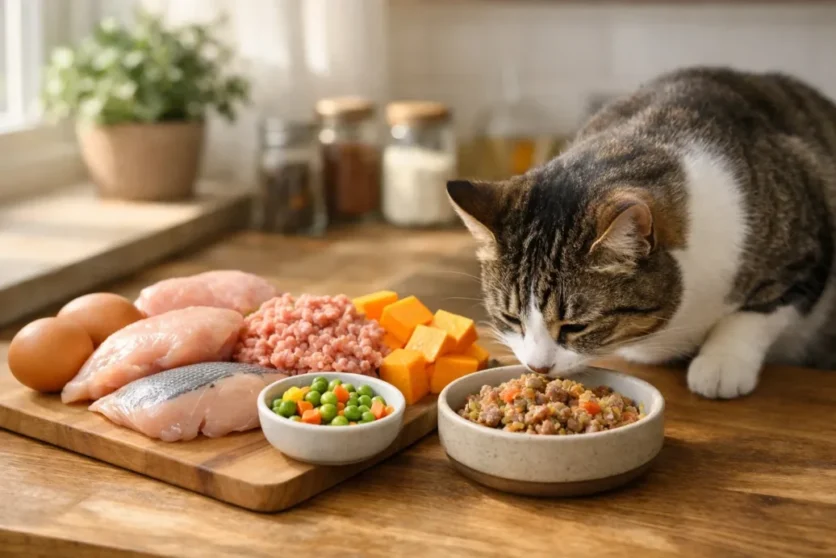
- Protein Sources: Chicken, turkey, and rabbit are excellent choices. Thigh meat is often better than breast because it contains more fat and taurine. You can also use lean beef, lamb, or fish. However, fish should be given in moderation (once or twice a week) due to concerns about mercury and thiaminase, an enzyme that can destroy thiamin. Eggs are another great source of protein.
- Organ Meats: This is non-negotiable. Organ meats are a nutritional powerhouse for cats. Liver provides Vitamin A and iron, while heart is an incredible source of taurine. Aim for organ meats to make up about 10% of the total meal.
- Safe Fats: A small amount of healthy fat can be beneficial. Chicken fat, salmon oil, or even a little olive oil can provide essential fatty acids. Salmon oil is particularly good for its omega-3 content.
While cats don’t need carbohydrates, a small amount of low-glycemic vegetables can provide fiber and antioxidants. Pumpkin or squash puree can aid digestion.
Just as important is knowing what to avoid. Certain human foods are toxic to cats and should never be included in their meals.
- Onions, Garlic, Chives: These can damage a cat’s red blood cells and cause anemia.
- Grapes and Raisins: These are known to cause kidney failure in cats and dogs.
- Chocolate and Caffeine: Both are highly toxic to felines.
- Cooked Bones: Never give a cat cooked bones, as they can splinter and cause choking or internal damage.
Sticking to a simple, meat-based list of ingredients is the safest and most effective approach.
How to Make Balanced Homemade Cat Food
The biggest challenge with homemade cat food is ensuring it’s nutritionally complete. It’s not as simple as just cooking some chicken. An imbalanced diet can be more harmful than a commercial one. Your goal is to mimic the nutritional profile of a cat’s natural prey, like a mouse or bird.
A generally accepted ratio for raw or cooked homemade cat food is:
- 80-85% Muscle Meat: Chicken, turkey, rabbit.
- 5-10% Edible Bone: If not using bone, a calcium supplement is required.
- 5-10% Organ Meat: With at least half of that being liver.
To get the balance right, you have to be meticulous. Calculating protein, fat, and calories can feel daunting at first. I started by using an online nutritional calculator to analyze my recipes. Over time, you develop a feel for it, but in the beginning, precision is key.
Cooking Methods:
You have a few options for preparing the meat.
- Boiled or Steamed: This is a gentle cooking method that preserves nutrients. You can use the cooking water in the final meal to retain water-soluble vitamins.
- Baked: Roasting meat at a low temperature is another good option. Avoid high heat, which can destroy nutrients.
- Raw: Feeding raw is popular but requires strict food safety. Meat must be extremely fresh, and you must prevent cross-contamination in your kitchen. I always recommend freezing the meat for a few weeks first to kill potential parasites.
Supplements are Crucial:
No matter how well you formulate your recipe with whole foods, you will likely need supplements. Commercial supplements designed for homemade cat food are the easiest way to ensure balance. These powders typically contain:
- Taurine: Even if you use heart meat, a little extra is good insurance.
- Calcium: If you’re not using ground bone, a calcium source like calcium carbonate or eggshell powder is mandatory to balance the phosphorus in meat.
- Vitamin E and B-Complex: These are often lost during cooking and storage.
- Omega-3 Fatty Acids: A pump of salmon or krill oil adds anti-inflammatory benefits.
Once everything is mixed, portion the food into daily or single-meal servings. I use small glass containers or silicone ice cube trays. Store what you’ll use in the next 2-3 days in the fridge and freeze the rest.
Popular Homemade Cat Food Recipes
Once you understand the basic principles, you can start experimenting with different proteins to keep things interesting for your cat. Rotating proteins is a great way to ensure a broader range of nutrients and prevent food sensitivities from developing. I’ve found that my cats appreciate the variety.
Here are a few foundational homemade cat food recipes to get you started. Remember to add a commercial supplement mix to ensure these recipes are complete and balanced.
1. Basic Chicken and Rice Recipe
This is a classic starter recipe, especially for cats with sensitive stomachs.
- 3 lbs chicken thighs, boiled and shredded
- 1/2 cup cooked white rice (optional, for fiber)
- 4 oz chicken liver, simmered and chopped
- 2 oz chicken hearts, simmered and chopped
- 1 tbsp salmon oil
- Appropriate dose of a complete vitamin/mineral supplement for homemade food.
2. Simple Fish and Pumpkin Recipe
This is a good option for a once-a-week meal.
- 3 lbs salmon or tilapia, baked
- 1/4 cup pumpkin puree (unsweetened)
- 4 oz chicken liver, simmered and chopped
- 1 tbsp krill oil
- Appropriate dose of a complete vitamin/mineral supplement.
3. Hearty Turkey and Egg Recipe
Turkey is a lean protein, and egg adds a nutritional boost.
- 3 lbs ground turkey, lightly cooked
- 2 hard-boiled eggs, mashed
- 4 oz turkey liver, simmered and chopped
- 4 oz turkey heart, simmered and chopped
- Appropriate dose of a complete vitamin/mineral supplement.
4. A Note on Raw Diets
A raw diet often follows a similar structure but with uncooked meat. For example, a raw recipe might use ground chicken with bone, mixed with puréed organs and supplements. If you choose to feed raw, ensure your meat is from a trusted source and follow strict hygiene protocols.
Recipe Rotation Tips:
What usually works best is making a large batch of one recipe that lasts 2-3 weeks, then switching to a different protein for the next batch. This keeps mealtime exciting for your cat and provides a more varied nutrient intake.
Common Mistakes in Homemade Cat Food
Making cat food at home is incredibly rewarding, but it’s easy to make mistakes that can impact your cat’s health. I’ve learned some of these lessons the hard way, so I want to help you avoid them from the start. Being aware of these common pitfalls is the best way to ensure you’re doing more good than harm.
The most dangerous mistake is creating a nutritionally imbalanced diet. This can happen in several ways:
- Forgetting or Under-supplementing Taurine: Believing that just adding meat is enough is a critical error. While muscle meat contains taurine, it may not be enough, especially after cooking. Heart meat is rich in it, but a dedicated taurine supplement is the safest bet.
- Incorrect Calcium-to-Phosphorus Ratio: Meat is high in phosphorus but low in calcium. Without adding a source of calcium (like ground bone or a calcium supplement), this imbalance can lead to serious health problems, including the body pulling calcium from your cat’s own bones.
- Skipping Organ Meats: Some people are squeamish about handling liver or heart, but these are not optional. Organ meats provide essential nutrients, like Vitamin A from liver, that are not found in sufficient quantities in muscle meat.
- Feeding an All-Meat Diet: A diet of only muscle meat is severely deficient in several key nutrients. It lacks calcium, certain vitamins, and trace minerals. This is a recipe for long-term health decline.
- Using Unsafe Ingredients: As mentioned earlier, adding things like onion powder for flavor or using garlic-infused oil can be toxic. Always double-check that every ingredient is safe for felines.
My best advice is to follow a trusted recipe from a veterinary nutritionist to the letter, at least in the beginning. Don’t improvise until you have a deep understanding of feline nutritional needs.
Pros and Cons of Homemade Cat Food
Deciding to make your cat’s food is a big commitment, and it’s important to weigh the benefits against the drawbacks. From my experience, the pros have far outweighed the cons, but it’s not the right choice for everyone.
Pros:
- Total Control Over Ingredients: You know exactly what’s in your cat’s food—no mystery meats, fillers, or artificial additives. You can choose human-grade, organic, or free-range ingredients if you wish.
- Ability to Customize for Health Needs: If your cat has allergies, diabetes, or kidney disease, you can create a diet that specifically manages their condition, free from problematic ingredients.
- Higher Moisture Content: Homemade food is naturally high in water, which is fantastic for urinary tract health and hydration, especially for cats who don’t drink much water.
- Improved Health: Many owners, including myself, report significant improvements in their cat’s coat, energy, and overall vitality.
Cons:
- Time-Consuming: There’s no getting around it. Researching, shopping, chopping, cooking, and portioning takes time. It’s a regular commitment.
- Risk of Nutritional Imbalance: This is the biggest risk. If not done correctly, a homemade diet can cause serious deficiencies or excesses that lead to health problems. It requires careful research and adherence to balanced recipes.
- Higher Cost: High-quality meat and supplements can be more expensive than a bag of commercial kibble. The cost can add up, especially if you have multiple cats.
- Inconvenience: It’s not as simple as opening a can or pouring from a bag. Traveling with a cat on a homemade diet also requires extra planning.
For me, the effort is worth it for the health and happiness of my cats. However, it’s crucial to be realistic about the time and financial commitment involved.
Tips for Transitioning Your Cat to Homemade Food
Cats are notoriously resistant to change, especially when it comes to their food. You can’t just swap their old food for a new homemade meal and expect them to eat it. A slow, gradual transition is key to success.
Here’s the process I’ve used that has worked for multiple cats:
- Start Small: Begin by mixing a tiny amount of the new homemade food with their current food. I’m talking about a 90/10 split—90% old food, 10% new food.
- Go Slow: Stick with that ratio for a few days. Let your cat get used to the new smell and taste. If they eat it without issue, you can increase the amount of new food slightly. Maybe move to an 80/20 ratio.
- Monitor Closely: Pay attention to their litter box. Look for any signs of digestive upset, like diarrhea or constipation. Also, watch their behavior. Are they eating enthusiastically, or are they avoiding the new food?
- Be Patient: This process can take weeks, or even a month or more for a particularly stubborn cat. Don’t rush it. If your cat refuses to eat, go back to the previous ratio where they were comfortable and stay there for a few more days before trying to increase it again.
- Consult Your Vet: Before starting, and during the transition, it’s always a good idea to talk to your vet. They can help you monitor your cat’s weight and overall health to ensure the transition is going smoothly. A vet’s guidance is invaluable, especially when you are just starting your journey with homemade cat food recipes.
Storing and Preserving Homemade Cat Food
Proper storage is crucial for keeping homemade cat food safe and fresh. Because it doesn’t contain the artificial preservatives found in commercial food, it can spoil quickly. I make food in large batches to last 2-3 weeks, so I’ve developed a reliable storage system.
Refrigeration and Freezing:
This is your best bet for preserving the food. Here’s what I do:
- Portion out enough food for the next 2-3 days and store it in the refrigerator in an airtight container.
- Freeze the rest of the batch immediately. I’ve found that silicone ice cube trays or small, freezer-safe glass containers work perfectly for single-serving portions.
- Once the portions are frozen solid in the trays, I pop them out and store them in a larger freezer bag. This saves space.
Proper Sealing and Labeling:
Always use airtight containers or freezer bags to prevent freezer burn and contamination. I can’t stress this enough: label everything. Use a permanent marker to write the date the food was made and the main protein source (e.g., “Chicken – Jan 22, 2026”). This helps you use the oldest food first and keep track of protein rotation.
Serving and Reheating:
- Take out a day’s worth of food from the freezer and let it thaw in the refrigerator overnight.
- Never leave the food out at room temperature to thaw, as this can encourage bacterial growth.
- Most cats prefer their food at room temperature or slightly warmed. You can warm it by placing the container in a bowl of warm water for a few minutes.
- Avoid using a microwave. It can heat unevenly, creating hot spots that could burn your cat’s mouth, and it can also degrade some of the nutrients.
- Once food has been thawed or warmed, any uneaten portion should be discarded after about 20-30 minutes. Do not re-refrigerate or reheat it.
Conclusion
Embarking on the journey of making your own cat food is a significant act of love. It requires dedication, research, and a commitment to getting it right. But the rewards—seeing your cat thrive with vibrant energy, a lustrous coat, and robust health—are immeasurable. When I first started creating my own homemade cat food recipes, I was driven by a desire to solve my cat’s health issues. What I discovered was a deeper connection to his well-being and profound peace of mind.
Throughout this guide, we’ve covered the essential pillars of a healthy homemade diet. It all comes down to understanding that cats are obligate carnivores who need a diet high in animal-based protein and fat. Achieving the right balance is not just about the meat, but also about the crucial inclusion of organ meats, a proper calcium-to-phosphorus ratio, and essential supplements like taurine. Remember the key takeaways:
- Balance is everything. An unbalanced homemade diet is more dangerous than a commercial one.
- Follow recipes closely, especially when you are new to this process.
- Supplements are not optional. They are necessary to fill nutritional gaps.
- Transition slowly and monitor your cat’s health with the help of your vet.
My final piece of advice is to view this not as a chore, but as an extension of the care you provide your pet. It becomes a routine, a rhythm in your week. The time you invest in preparing nutritious meals is a direct investment in your cat’s longevity and happiness. Always work with your veterinarian, trust the process, and enjoy the satisfaction of knowing you are providing the absolute best for your feline companion.
FAQ
H3: Can I feed my cat only homemade food?
Yes, you can absolutely feed your cat a diet consisting exclusively of homemade food, provided it is nutritionally complete and balanced. Many owners do this successfully. The key is to ensure the diet meets all of AAFCO’s standards for feline nutrition, which often requires following a recipe formulated by a veterinary nutritionist and using specific supplements.
H3: How do I ensure my homemade cat food is nutritionally complete?
The safest way to ensure your homemade cat food recipes are complete is to:
- Follow a recipe created by a certified veterinary nutritionist.
- Use a nutritional software to analyze your recipe’s profile.
- Use a commercial supplement mix designed specifically for homemade cat food to fill any potential gaps in vitamins and minerals.
H3: Are raw homemade cat food recipes safe?
Raw homemade cat food can be a healthy option, but it comes with risks, primarily from bacteria like Salmonella and E. coli. To ensure safety, you must use very fresh, human-grade meat, practice strict kitchen hygiene to prevent cross-contamination, and consider freezing the meat for several weeks to kill parasites. It is not recommended for very young, old, or immunocompromised cats.
H3: How often should I supplement vitamins and minerals?
Supplements should be added to every batch of food you make, according to the dosage instructions on the product or in your recipe. Consistency is key, as these supplements provide essential nutrients like taurine and calcium that are required daily.
H3: Can homemade cat food prevent allergies?
Homemade food can be an excellent tool for managing food allergies or intolerances because you have complete control over the ingredients. If your cat is allergic to chicken, for example, you can create recipes using novel proteins like rabbit or turkey. By eliminating common allergens found in commercial foods, many cats experience significant relief.
H3: What are the most common mistakes when making cat food at home?
The most common and dangerous mistakes are creating an unbalanced diet by omitting supplements (especially taurine and calcium), providing an incorrect calcium-to-phosphorus ratio, not including organ meats, and accidentally using toxic ingredients like onions or garlic.
H3: How long can I store homemade cat food in the fridge or freezer?
You can store homemade cat food in an airtight container in the refrigerator for 2-3 days. For longer storage, it should be frozen immediately after preparation, where it can last for up to 3-6 months in a deep freezer. Always label your batches with the date.
About the Author