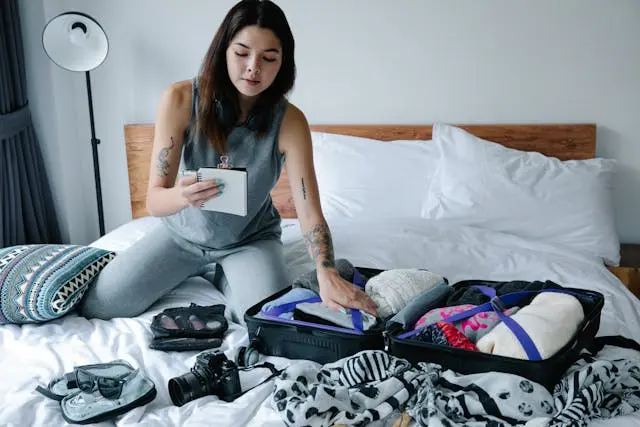
The feeling of an upcoming trip is exciting, but it often comes with a nagging question: “What do I need to pack?” For years, I approached packing with a mix of chaos and hope, often resulting in forgotten essentials or a suitcase that was impossible to close. The turning point for me was discovering the power of a simple, well-organized checklist. It transformed my pre-trip routine from a source of stress into a calm, methodical process.
Using a travel packing checklist is about more than just remembering your toothbrush. It’s a strategy for a smoother, more enjoyable journey from start to finish. A good list ensures you’re prepared for your destination, helps you avoid unnecessary fees for overweight luggage, and gives you peace of mind knowing you have everything you need.
This guide is designed to be your go-to resource for mastering the art of packing. We will cover:
- The essential items every traveler needs.
- Smart strategies for packing clothes and carry-on luggage.
- Customizing your list for different types of trips.
- Common mistakes to avoid and hacks from seasoned travelers.
Types of Travel Packing Checklists
Not all trips are the same, so your packing checklist shouldn’t be either. The right format depends on your travel style and personal preference. I’ve experimented with several methods over the years and found that what works for a weekend getaway might not be suitable for a two-week international adventure.
The most common choice is between a digital and a printable checklist. Digital lists, made with apps like Notion, Evernote, or even a simple phone note, are convenient, easily editable, and always with you. On the other hand, a printable checklist offers the satisfaction of physically ticking items off. I find this especially helpful when packing with family, as it’s easy to see what’s been packed at a glance.
Beyond the format, consider the level of detail you need:
- Minimalist checklists are perfect for short trips or for those who pride themselves on traveling light.
- Comprehensive checklists are better for longer, more complex journeys, often broken down by category.
- Trip-specific checklists are tailored for family travel (with sections for kids), solo adventures, or business trips.
Travel Essentials – The Must-Have Items
No matter where you’re going or for how long, there’s a core set of items that should always make it into your bag. This travel essentials list forms the foundation of any good packing plan. Forgetting one of these can cause major headaches, so I always double-check this category first.
Your clothing basics should be versatile. Think about items that can be layered or dressed up and down. For a week-long trip, I pack a few neutral-colored tops and bottoms that can be mixed and matched to create multiple outfits. Always check the weather forecast for your destination to ensure you have climate-appropriate options.
Here are the absolute must-haves for any trip:
- Documents: Passport/ID, visas, plane/train tickets, hotel confirmations, and travel insurance information. I recommend having both digital and physical copies.
- Toiletries: Toothbrush, toothpaste, deodorant, and any skincare or haircare items you can’t live without. Use travel-sized containers to save space.
- Electronics: Phone, chargers, a portable power bank, and any necessary adapters for international travel.
- Health & Safety: Personal medications (in their original containers), a small first-aid kit with basics like band-aids and pain relievers, and hand sanitizer.
Carry-On Packing Tips
Your carry-on bag is your lifeline during travel, especially on long flights or in case your checked luggage gets delayed. I learned the hard way to always pack a “survival kit” in my carry-on. This includes anything you would desperately need within the first 24 hours of arriving at your destination.
Start with the essentials for the journey itself. A reusable water bottle (empty it before security), some healthy snacks, a neck pillow, and an eye mask can make a long flight much more comfortable. Entertainment is also key, so bring a book, download some podcasts, or load a tablet with movies. Don’t forget your headphones!
For security and accessibility, always keep your most important items in your carry-on.
- Your passport, ID, wallet, and boarding passes should be in an easily accessible pocket.
- Pack at least one change of clothes, including underwear and socks.
- All essential medications must be in your carry-on.
- Liquids should be in containers of 3.4 ounces (100 milliliters) or less and placed in a clear, quart-sized bag. Laptops and other large electronics usually need to be removed for security screening, so pack them where you can get to them easily.
Clothing Packing Strategies
Figuring out what clothes to bring—and how to fit them all—is often the biggest packing challenge. The goal is to have options without hauling your entire wardrobe across the globe. My personal strategy revolves around two principles: pack smart and use organizers.
The rolling versus folding debate is a classic among travelers. In my experience, rolling works best for soft items like t-shirts, dresses, and pants, as it saves space and minimizes wrinkles. For stiffer items like blazers or dress shirts, folding is often better. The best approach is usually a combination of both.
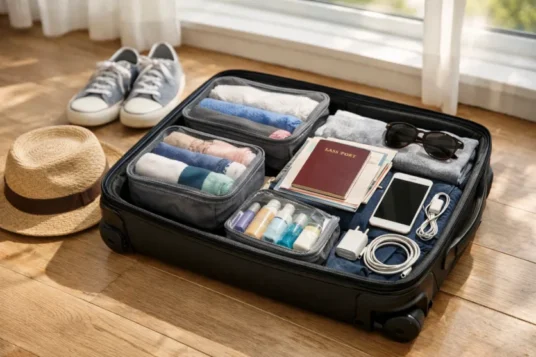
Packing cubes are a non-negotiable part of my system. These zippered fabric containers allow you to compartmentalize your clothing. I use one for tops, one for bottoms, and one for underwear and socks. They not only save space by compressing clothes but also keep your suitcase incredibly organized. No more digging through a messy pile to find a clean pair of socks.
When selecting outfits, focus on mixing and matching. A few neutral-colored pants or skirts paired with several different tops can create a surprising number of combinations. Always pack at least one extra layer, like a cardigan or light jacket, even if you’re heading to a warm climate, for cool evenings or overly air-conditioned buildings.
Packing for Different Trip Types
A great vacation packing guide adapts to the nature of your trip. Packing for a week at a beach resort is vastly different from preparing for a hiking expedition in the mountains. Customizing your checklist ensures you have what you need without being weighed down by irrelevant items.
Here are some examples of how to tailor your list:
- Beach Vacations: Your checklist should include multiple swimsuits, a cover-up, sunblock, a wide-brimmed hat, sunglasses, and flip-flops. A waterproof bag for your phone and a good book are also great additions.
- Adventure Travel: Focus on performance gear. This means waterproof jackets, moisture-wicking layers, sturdy hiking boots, and wool socks. Depending on the activity, you might also need a headlamp, insect repellent, and a water filter.
- Business Trips: Pack professional attire that resists wrinkles. A versatile blazer, a couple of dress shirts or blouses, and comfortable-yet-smart shoes are key. Don’t forget your laptop, chargers, and any necessary adapters for presentations.
- Family Trips: When traveling with kids, the list expands. Pack extra snacks, games or tablets for entertainment, a first-aid kit with children’s medication, and any comfort items like a favorite blanket or toy.
Real-Life Packing Experiences and Tips
Over years of travel, I’ve collected a few hard-won lessons and packing hacks. One of my biggest early mistakes was chronic overpacking. I’d pack for every “what if” scenario, only to return home with half my clothes unworn. Now, I lay out everything I think I need, then challenge myself to put at least 20% of it back. I’ve never missed those extra items.
Another lesson was learning to never check essential items. After an airline lost my luggage on a trip to a wedding, I now pack my event outfit in my carry-on. The same goes for medication, chargers, and anything of high value. It’s a simple rule that can save you from a travel disaster.
Here are a few tips from experienced travelers I’ve met along the way:
- Use solid toiletries (shampoo bars, conditioner bars) to avoid liquid restrictions and potential spills.
- Pack a multi-purpose sarong or scarf; it can be a blanket on a cold plane, a beach cover-up, or an accessory for an outfit.
- Tuck socks and underwear inside your shoes to maximize every inch of space.
- Always leave a little extra room in your suitcase for souvenirs you might buy on your trip.
Common Packing Mistakes to Avoid
Even with a checklist, it’s easy to fall into common packing traps. Being aware of these frequent errors can help you pack more effectively and avoid unnecessary stress. The most universal mistake is simply bringing too much stuff. It leads to heavy bags, extra fees, and the hassle of lugging it all around.
Another frequent error is forgetting critical documents or medications. Create a dedicated folder or pouch for your passport, ID, and tickets, and check it multiple times before you leave. For medications, set a reminder on your phone to pack them right before you walk out the door.
Be sure to avoid these other common mistakes:
- Ignoring Airline Baggage Rules: Always check your airline’s specific size and weight limits for both carry-on and checked bags. Low-cost carriers are notoriously strict.
- Not Preparing for Weather: A quick look at the forecast isn’t enough. Pack layers so you can adapt to unexpected temperature drops or surprise rain showers.
- Packing Everything at the Last Minute: This is a recipe for forgetting things. Start laying out items a few days in advance.
Pros and Cons of Different Packing Methods
How you pack your bag can be just as important as what you put in it. There are several popular methods, each with its own benefits and drawbacks. Your choice depends on your trip type, luggage, and personal preference.
Suitcase vs. Backpack: A rolling suitcase is great for city travel, airports, and hotels, as it saves your back. A backpack is better for trips involving multiple destinations, cobblestone streets, or more rugged terrain where wheels are impractical.
Rolling vs. Folding Clothes:
- Pros of Rolling: Saves significant space and reduces creasing on most fabrics.
- Cons of Rolling: Can be less effective for bulky items like sweaters or formal wear.
- Pros of Folding: Better for structured garments like blazers and keeps them flat.
- Cons of Folding: Generally takes up more space than rolling.
Using Packing Cubes vs. Loose Packing:
- Pros of Packing Cubes: Excellent organization, compresses clothing, and makes it easy to find items.
- Cons of Packing Cubes: Adds a tiny bit of extra weight and requires an initial investment.
- Pros of Loose Packing: Quick and requires no extra accessories.
- Cons of Loose Packing: Can become a jumbled mess, making it hard to find things without unpacking everything.
Organizing and Tracking Your Checklist
A checklist is only useful if you use it effectively. The key is to find a system that helps you stay organized and ensures nothing gets left behind. I prefer a categorized approach, breaking my list down into sections like “Clothing,” “Toiletries,” “Electronics,” and “Documents.”
For digital users, apps like PackPoint or TripList can generate checklists based on your destination and planned activities. They are a great starting point, which you can then customize. If you prefer paper, find a printable template online or simply write out your own. The act of writing can help reinforce your memory.
Here’s a step-by-step approach for pre-trip packing:
- Create Your List: Start with a master list a week or two before your trip.
- Prioritize: Mark your absolute essentials—items you cannot travel without.
- Pack in Stages: Pack non-essential items first. Leave out toiletries and clothes you’ll need on the day of departure.
- Final Check: On travel day, pack your remaining items and do one final review of your entire checklist before you head out the door.
Sustainable and Smart Packing Tips
Traveling responsibly is more important than ever. Your packing choices can have a real impact, from reducing waste to minimizing your carbon footprint. Making a few smart, sustainable swaps is an easy way to travel more consciously.
Start with your toiletries. Opt for solid bars for shampoo, conditioner, and soap to eliminate single-use plastic bottles. A reusable water bottle is another must-have to avoid buying plastic bottles throughout your trip. I also love packing a reusable tote bag, which is perfect for grocery runs or shopping for souvenirs.
Here are a few more tips for sustainable packing:
- Reduce Weight: A lighter bag means less fuel is consumed by the plane or vehicle. Pack only what you truly need.
- Minimize Laundry: Pack clothes made from materials like merino wool, which resists odors and can be worn multiple times before washing.
- Choose Eco-Friendly Products: Look for reef-safe sunscreen if you’re swimming in the ocean and bamboo toothbrushes instead of plastic ones.
- Pack Mindfully: By planning your outfits, you reduce the temptation to buy fast-fashion items on your trip that you may only wear once.
Conclusion – Master Your Travel Packing
Packing doesn’t have to be a source of pre-trip anxiety. By adopting a structured approach with a comprehensive travel packing checklist, you can transform the process into a simple, stress-free task. It’s the ultimate tool for ensuring you have everything you need, so you can focus on what truly matters: enjoying your journey.
We’ve covered everything from the foundational travel essentials list to advanced carry-on packing tips and strategies for different types of trips. Remember that the best checklist is one that is personalized to you and your travel style. Use this guide as a starting point and refine it with every trip you take.
To set yourself up for success on your next adventure, remember these key takeaways:
- Start with a master checklist and customize it for each trip.
- Use packing cubes and smart folding techniques to maximize space.
- Always keep your most essential items in your carry-on.
- Review and adjust your list after each trip to perfect it for the future.
With a little preparation, you can say goodbye to packing stress and hello to seamless, well-prepared travels.
FAQ – Travel Packing Checklist
What is the ultimate travel packing checklist for a week-long trip?
For a week-long trip, focus on versatile basics. Your list should include 4-5 tops, 2-3 bottoms (pants, shorts, or skirts), one jacket or sweater, underwear and socks for each day, one or two pairs of shoes, essential toiletries, all necessary documents and electronics, and any required medications.
How can I pack efficiently for carry-on only travel?
For carry-on only, use packing cubes to compress clothing, wear your bulkiest items (like a jacket and boots) on the plane, and switch to solid toiletries to save space and comply with liquid restrictions. Plan a mix-and-match wardrobe where every item can be worn in multiple outfits.
What items are often forgotten on vacations?
Commonly forgotten items include phone chargers, adapters for international travel, sunglasses, sunscreen, a reusable water bottle, and any necessary prescription medications. It’s also easy to forget a simple first-aid kit.
How do I pack clothes without wrinkles?
Rolling clothes tightly is one of the best ways to prevent wrinkles in fabrics like cotton and knits. For more structured items like blazers, fold them carefully. Packing cubes also help by keeping clothes snug and preventing them from shifting around in your suitcase.
Are there apps that help with travel packing lists?
Yes, there are several great apps. PackPoint automatically generates a packing list based on your destination’s weather, your trip’s length, and planned activities. Other popular options include TripList and Packing Pro, which allow for deep customization.
What’s the best way to pack electronics safely?
Keep all electronics in your carry-on bag to protect them from damage or theft. Use a dedicated electronics organizer or pouch to keep cables, chargers, and power banks tidy. Consider a padded sleeve for laptops or tablets.
How can I make a packing checklist for a family vacation?
Start with a master list and create separate categories for each family member. Include sections for shared items like snacks, sunscreen, and a family first-aid kit. For kids, add categories for entertainment (books, games), special food items, and comfort objects.
About the Author