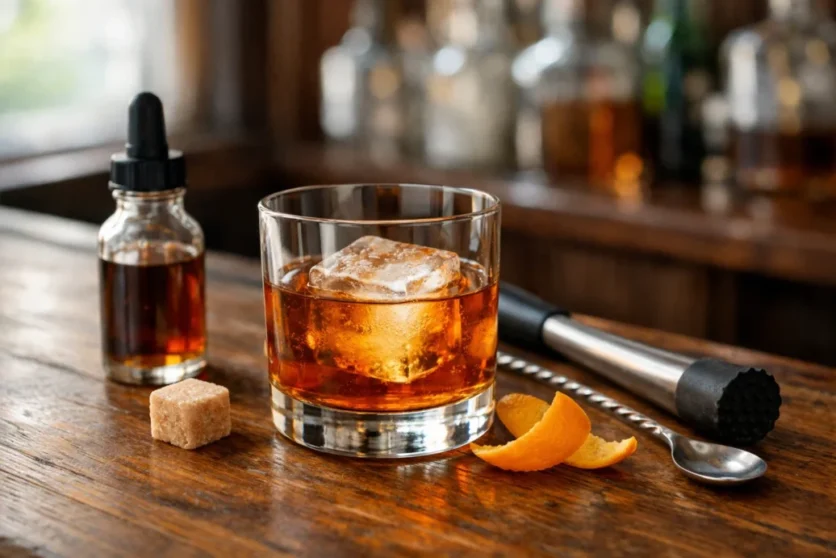
Introduction – Why the Old Fashioned Remains a Classic
Some cocktails fade with time, but the Old Fashioned is not one of them. This drink has a weight to it, a sense of history in every sip. It’s a simple, elegant combination of spirit, sugar, water, and bitters that has endured since the 19th century for one simple reason: it’s nearly perfect.
Its popularity in 2026 isn’t just about nostalgia. It’s about a return to quality and simplicity. In an era of overly complex drinks, the Old Fashioned stands out. It’s a testament to the idea that you don’t need a dozen ingredients to create a profound flavor experience. It’s balanced, spirit-forward, and endlessly customizable once you master the basics.
This guide is your complete resource for learning how to make an Old Fashioned at home. We will cover everything from choosing the right whiskey to the final, perfect garnish. By the end, you’ll be able to craft this iconic drink with confidence.
Table of Contents
- Introduction – Why the Old Fashioned Remains a Classic
- Essential Ingredients for the Perfect Old Fashioned
- Tools and Glassware You’ll Need
- Step-by-Step Instructions to Make an Old Fashioned
- Common Mistakes When Making an Old Fashioned
- Variations to Try at Home
- How to Pair Your Old Fashioned with Food
- Old Fashioned Etiquette: Serving and Enjoying
- Pros and Cons of Making an Old Fashioned at Home
- Comparisons with Other Classic Cocktails
- Real-Life Tips from Bartenders
- Conclusion – Mastering the Old Fashioned
- FAQ – Old Fashioned Cocktail Questions
Essential Ingredients for the Perfect Old Fashioned
The beauty of this drink lies in its simplicity, which means the quality of each ingredient matters immensely. There are only a few components, so there’s nowhere for a low-quality spirit or improper sugar to hide.
First, the whiskey. You have a choice between bourbon and rye. Bourbon lends a sweeter, fuller-bodied profile with notes of vanilla and caramel. Rye brings a spicier, drier character with hints of pepper and fruit. In my experience, a good quality bourbon is more forgiving for beginners, but a rye Old Fashioned is a true classic.
Next is the sweetener. A sugar cube is traditional, but it can be tricky to dissolve fully. I often prefer using a rich simple syrup (two parts sugar to one part water) for consistency. It integrates into the drink seamlessly.
For bitters, Angostura aromatic bitters are the standard, adding depth and spice. However, orange bitters can brighten the cocktail and complement the garnish beautifully. And finally, the ice. Use the largest cube or sphere you can make. It melts slower, chilling your drink without over-diluting it.
- Whiskey: A good 90-100 proof bourbon or rye.
- Sweetener: Simple syrup or a single sugar cube.
- Bitters: Angostura aromatic or orange bitters.
- Garnish: A fresh orange peel is essential; a quality cherry is optional.
- Ice: One large, clear ice cube or sphere.
Tools and Glassware You’ll Need
You don’t need a professional bar setup to make a great Old Fashioned, but a few key tools make the process much smoother and more authentic. The most important piece of equipment is the glass itself.
The drink is named after its glass for a reason. An Old Fashioned glass, also known as a rocks glass or lowball, is a short tumbler with a sturdy base. Its wide mouth is perfect for muddling and allows the aromas of the whiskey and bitters to reach your nose.
You’ll also need a bar spoon. Its long, twisted handle is designed for stirring cocktails smoothly, a crucial step in this recipe. If you’re using a sugar cube, a muddler is necessary to gently press the sugar and bitters together. A jigger is also essential for accurate measurements, as the balance of this cocktail is key.
Some bartenders build the drink in a separate mixing glass filled with ice, stir it there, and then strain it over fresh ice in the serving glass. This provides ultimate control over dilution. However, building it directly in the Old Fashioned glass is simpler and perfectly acceptable for home bartending.
Step-by-Step Instructions to Make an Old Fashioned
Now for the main event. Follow these steps, and you’ll have a perfectly balanced cocktail every time. This is my go-to method for a classic old fashioned recipe.
First, place your sweetener in the bottom of an Old Fashioned glass. If using a sugar cube, set it in the center. Add two to three dashes of your chosen bitters directly onto the sugar. This helps break it down. If using simple syrup, add about a quarter of an ounce.
If you used a sugar cube, add a tiny splash of water or club soda and gently muddle until the sugar is mostly dissolved into a paste. You’re not trying to crush it into oblivion, just help it along.
Next, add two ounces of your bourbon or rye whiskey. Now, it’s time to stir. Add one large ice cube to the glass. Place your bar spoon along the inside edge and stir smoothly for about 15-20 seconds. The goal is to chill the drink and incorporate a small amount of water from the melting ice, which opens up the whiskey’s flavors.
Finally, the garnish. Take a vegetable peeler and get a wide swath of orange peel. Express the peel over the glass by squeezing it with the skin side facing the drink. You’ll release the fragrant oils onto the surface. Rub the peel around the rim of the glass and then drop it in. Add a high-quality cocktail cherry if you like.
Common Mistakes When Making an Old Fashioned
It’s a simple drink, but it’s also easy to get wrong. I’ve noticed a few common errors that can turn a great cocktail into a disappointing one. The most frequent mistake is using a poor-quality, low-proof whiskey. The spirit is the star of the show; if it’s harsh or bland, the whole drink will suffer.
Another pitfall is over-muddling. If you add fruit like an orange slice or cherry into the glass and then violently crush it, you release bitter oils from the orange pith and create a cloudy, pulpy mess. The classic recipe only calls for an orange peel garnish at the end for a reason.
Using the wrong ice is also a classic blunder. A handful of small ice cubes will melt quickly, leaving you with a watery, weak drink in minutes. A large cube or sphere minimizes surface area, ensuring slow, even dilution. This is a critical part of this whiskey cocktail guide.
Finally, balance is everything. Too much sugar, and it becomes cloying. Too many bitters, and it becomes medicinal. Stick to the classic proportions until you understand how the ingredients interact, then adjust to your taste. And please, never shake an Old Fashioned. It’s a stirred drink meant to be silky and clear, not cloudy and aerated.
Variations to Try at Home
Once you’ve mastered the classic, the Old Fashioned becomes a fantastic template for experimentation. The basic formula of spirit, sugar, water, and bitters is incredibly versatile.
One of my favorite simple twists is making a maple Old Fashioned. Just swap the simple syrup for a small amount of high-quality, dark maple syrup. It pairs beautifully with the vanilla and oak notes in bourbon. During winter, a spiced simple syrup infused with cinnamon and star anise adds a wonderful warmth.
You can also play with the bitters. Chocolate or black walnut bitters with bourbon create a rich, dessert-like profile. Orange or cherry bitters can enhance the fruit notes in a rye whiskey. Some people even smoke the glass with a piece of hickory or applewood before building the drink for an amazing aromatic effect.
Don’t be afraid to switch the base spirit, either. An aged rum or a quality brandy, like an Applejack, makes a fantastic Old Fashioned. Each spirit brings its own unique character to the classic formula. This is where your journey from following a recipe to true cocktail creation begins.
How to Pair Your Old Fashioned with Food
A well-made Old Fashioned is a fantastic companion to food, as its complex flavors can complement a variety of dishes. The key is to match the intensity of the drink with the food.
For classic bar snacks, you can’t go wrong with salty or fatty foods. Roasted nuts, savory cheese boards, and charcuterie all work wonderfully. The whiskey cuts through the richness, while the food’s saltiness enhances the spirit’s sweeter notes.
When it comes to main courses, an Old Fashioned is a natural partner for rich meats. It stands up beautifully to a grilled steak, smoked brisket, or even duck. The caramel and vanilla notes in a bourbon-based Old Fashioned are a perfect match for the Maillard reaction in well-seared meat.
For dessert, think dark and rich. A piece of high-quality dark chocolate or a caramel-forward dessert like crème brûlée can be a sublime pairing. The key is to avoid anything too sweet, which could clash with the cocktail. This is one of my favorite bourbon cocktail tips: use the drink to cleanse your palate between bites.
Old Fashioned Etiquette: Serving and Enjoying
The Old Fashioned is a drink meant to be savored, not rushed. It’s a sipping cocktail, designed for slow enjoyment as its flavors evolve with dilution and temperature changes.
When serving at home, presentation matters. Always use a clean, chilled rocks glass. The large ice cube isn’t just for function; it’s an aesthetic statement that signals a well-crafted drink. Taking the time to properly express the orange peel over the glass adds a touch of theater and a burst of aroma that elevates the entire experience.
When ordering at a bar, be specific if you have a preference. Mention your preferred whiskey (e.g., “a rye Old Fashioned”) or any specific requests. A good bartender will appreciate the clarity. It’s a drink that reflects the care put into it, both by the maker and the drinker.
Pros and Cons of Making an Old Fashioned at Home
Deciding to make your own cocktails is a rewarding hobby, but it’s good to go in with open eyes. The Old Fashioned is a great place to start, but there are definite pros and cons.
The biggest pro is control. You get to choose the exact whiskey, the level of sweetness, and the type of bitters. You can craft a drink that is perfectly tailored to your palate. It’s also incredibly satisfying to serve a guest a genuinely great classic cocktail that you made yourself.
Another pro is the opportunity to experiment. Once you have the basic ingredients, you can try endless variations. It’s a creative outlet that you can drink!
On the con side, it does require an initial investment in tools and ingredients. A good bottle of whiskey, quality bitters, and a few pieces of barware can add up. It also takes more time and effort than pouring a glass of wine. And, as we’ve discussed, mistakes can easily ruin the flavor, which can be frustrating when you’re starting out.
Comparisons with Other Classic Cocktails
Understanding how the Old Fashioned relates to other whiskey classics can deepen your appreciation for it. The two most common comparisons are with the Manhattan and the Sazerac.
An Old Fashioned vs. a Manhattan is a great study in contrasts. While both are whiskey-based, the Manhattan uses sweet vermouth instead of sugar and is traditionally served “up” in a coupe or martini glass. It has a richer, more herbal flavor profile compared to the spirit-forward purity of the Old Fashioned.
The Sazerac is a closer cousin, originating from New Orleans. It’s traditionally made with rye whiskey, uses Peychaud’s bitters instead of Angostura, and, most importantly, is served in a glass that has been rinsed with absinthe. This gives it a distinct anise aroma that sets it apart. It’s a bit more complex to make but a fantastic next step after you master the Old Fashioned.
Real-Life Tips from Bartenders
Over the years, I’ve picked up a few secrets from professional bartenders that take an Old Fashioned from good to great. One of the best tips concerns stirring. They don’t just stir randomly; they stir for a specific amount of time (often 15-20 seconds) to achieve the perfect dilution, tasting as they go.
Another tip is about the garnish. They always use a fresh orange and a sharp peeler to get a wide peel with plenty of oil. The act of expressing the oils over the finished drink is non-negotiable for a professional. It’s the aromatic introduction to the cocktail.
Many pros also keep their simple syrup in the fridge and even their glasses in the freezer. Starting with chilled ingredients means the ice melts even slower, preserving the integrity of the drink for longer. It’s these small details that demonstrate true mastery.
Conclusion – Mastering the Old Fashioned
We’ve walked through the entire process, from ingredients to etiquette. Learning how to make an Old Fashioned is more than just memorizing a recipe; it’s about understanding a philosophy of balance. It’s a cocktail that rewards patience and attention to detail.
The key takeaways are simple: use high-quality ingredients, respect the proportions, and don’t rush the process. Start with the classic recipe. Master it. Then, feel free to make it your own. Change the whiskey, try new bitters, or experiment with different sweeteners.
The timeless appeal of the Old Fashioned lies in its perfect simplicity. By mastering this one drink, you unlock a fundamental piece of cocktail history and gain a skill that will impress friends and elevate your evenings at home for years to come.
FAQ – Old Fashioned Cocktail Questions
What type of whiskey is best for an Old Fashioned?
Both bourbon and rye are excellent choices. Bourbon creates a sweeter, smoother drink with notes of vanilla and caramel. Rye offers a spicier, drier profile. A good quality, higher-proof (90-100 proof) whiskey of either type will stand up best in the cocktail.
Can I make an Old Fashioned without bitters?
Technically, no. A cocktail made with just whiskey, sugar, and water is simply a “whiskey cocktail,” which was the original name. The bitters are what transform it into an Old Fashioned, adding aromatic complexity and balancing the sweetness.
How do I prevent my cocktail from being too sweet?
The key is precise measurement. Start with just a quarter ounce of simple syrup or one sugar cube. You can always add a tiny bit more if needed, but you can’t take sweetness away. Using a rye whiskey, which is naturally less sweet than bourbon, can also help.
What’s the difference between muddling and stirring?
Muddling is the act of pressing ingredients (like a sugar cube and bitters) to release their flavors. It should be done gently. Stirring is for chilling and diluting the cocktail after the liquid ingredients have been added. An Old Fashioned is stirred, not shaken, to maintain a silky, clear consistency.
Can I batch Old Fashioneds for a party?
Yes, it’s a great cocktail to batch. To make a batch for 8 drinks, combine 16 oz of whiskey, 2 oz of simple syrup, and 25-30 dashes of bitters in a pitcher. Stir well and refrigerate. To serve, pour 2.25 oz of the batch mixture into a glass over a large ice cube and garnish with an orange peel.
Are there low-alcohol or non-alcoholic versions?
Yes. You can make a low-ABV version by using a lower-proof whiskey or splitting the base between whiskey and a non-alcoholic spirit. For a completely non-alcoholic Old Fashioned, use a high-quality non-alcoholic whiskey alternative and follow the same recipe.
How do I make a smoky Old Fashioned at home?
The easiest way is to use a cocktail smoker. This is a small device that sits on top of your glass and allows you to infuse the finished drink with wood smoke. Alternatively, you can use a smoking gun to fill the glass with smoke before pouring the cocktail in. A few drops of peated Scotch whisky can also add a smoky note.
About the Author