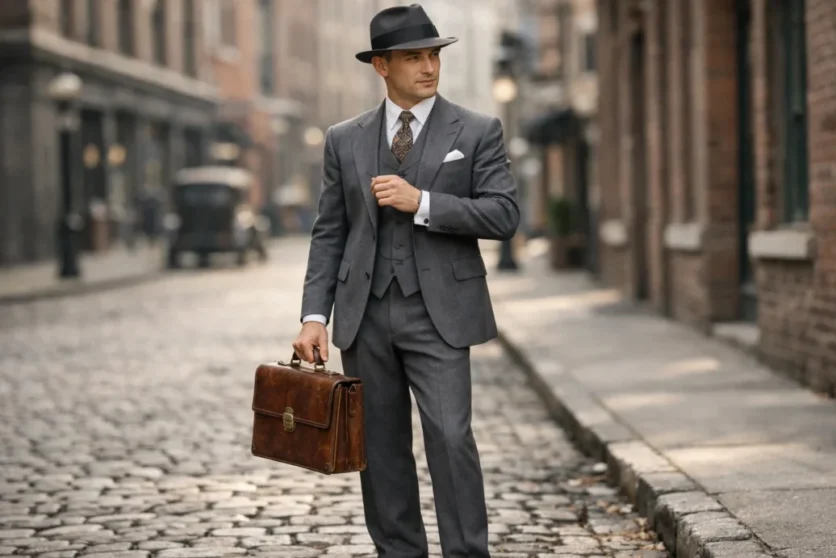
Introduction to 1920s Mens Fashion
The Roaring Twenties was a decade of profound change, and nowhere was this more visible than in the wardrobe of the modern man. 1920s mens fashion broke away from the rigid, stuffy styles of the Victorian era, embracing a new sense of freedom and expression. Influenced by the rise of jazz, the magic of cinema, and the rebellious spirit of speakeasy culture, men’s style became sharper, more tailored, yet surprisingly more comfortable.
In my experience exploring vintage fashion, the 1920s stands out because it laid the foundation for the modern suit. It was the era that gave us the “suit” as we know it today, moving away from long frock coats to shorter jackets and wider trousers. Whether you are a history buff, a vintage enthusiast, or someone looking to incorporate classic elements into your wardrobe, understanding this era is essential.
This guide will take you through the core elements of the decade’s style, from the iconic 1920s style suits to the essential accessories that completed the look. We will explore how cultural shifts influenced clothing choices and why these trends remain admired nearly a century later.
- The Cultural Shift: How post-war optimism changed how men dressed.
- Key Pieces: The rise of the lounge suit, the fedora, and two-tone shoes.
- Modern Appeal: Why 1920s tailoring still looks sharp today.
Quick Overview
1920s mens fashion was characterized by a shift towards shorter suit jackets, high-waisted wide-leg trousers (often called “Oxford bags”), and a heavy reliance on accessories like fedoras and suspenders. The era marked a departure from formal Victorian attire, favoring “lounge suits” for daily wear and introducing lighter fabrics and bolder patterns like pinstripes and herringbone.
Table of Contents
- Core Elements of 1920s Mens Fashion
- 1920s Style Suits – The Centerpiece of Men’s Wardrobe
- Men’s Vintage Fashion Accessories
- Hairstyles and Grooming in the 1920s
- 1920s Mens Fashion for Different Occasions
- Iconic 1920s Mens Fashion Figures
- Common Mistakes in 1920s Mens Fashion
- Pros and Cons of Wearing 1920s Mens Fashion Today
- How to Build a 1920s Inspired Wardrobe
- Comparisons – 1920s Mens Fashion vs. Modern Menswear
- Conclusion
- FAQ
Core Elements of 1920s Mens Fashion
To truly understand the look of the Roaring Twenties, you have to look at the silhouette. The era was defined by a specific shape that was both structured and relaxed. The core of any man’s wardrobe was the suit, but the details—the collars, the trouser width, and the fabrics—are what defined the decade.
Shirts saw a major evolution. While detachable collars were still common early in the decade, attached soft collars became increasingly popular for their comfort. Dress shirts often featured contrasting white collars on colored bodies, a style that screams vintage elegance.
- Trousers: High-waisted and often pleated, trousers sat at the natural waistline. By the mid-to-late 20s, the legs widened significantly, evolving into the famous “Oxford Bags.”
- Outerwear: Long wool overcoats and raccoon coats were staples for winter, while lighter trench coats gained popularity for rainy days.
- Fabrics: Wool was king, but heavy tweeds, flannels, and corduroys added texture. Patterns were bold, with windowpane checks, pinstripes, and herringbone being incredibly popular.
1920s Style Suits – The Centerpiece of Men’s Wardrobe
The suit was the uniform of daily life. Unlike today, where suits are often reserved for formal occasions, 1920s style suits were everyday wear for men of almost all classes. The “lounge suit”—the ancestor of the modern business suit—became the standard.
These suits were typically three-piece ensembles consisting of a jacket, trousers, and a matching vest (waistcoat). The jackets were cut shorter than the older frock coats, ending just below the hips, which allowed for greater movement.
- Jacket Styles: Single-breasted jackets were common, but double-breasted styles with wide peak lapels became a symbol of power and sophistication later in the decade.
- Colors: Conservative colors like navy, grey, and brown dominated business wear. However, lighter shades like beige, cream, and even pastel tones appeared in summer suits made from linen or flannel.
- Styling: A suit was never worn without a tie and usually included a pocket square. The fit was generally boxier than today’s slim-fit trends, emphasizing a broad chest and shoulders.
Men’s Vintage Fashion Accessories
Accessories weren’t just add-ons in the 1920s; they were essential components of the outfit. You rarely saw a man leave the house without a hat. The type of hat often indicated social status or the nature of the occasion.
- Hats: The fedora and trilby were ubiquitous. For summer, straw boaters and Panama hats were the go-to choices. Working-class men and newsboys favored the eight-panel flat cap, often called a newsboy cap.
- Footwear: Two-tone “spectator” shoes became a fashion statement for the stylish man. Classic leather brogues and cap-toe Oxfords were standard for business.
- Neckwear: Ties were shorter than modern versions because waistcoats covered the torso. Bow ties were also extremely popular, featuring polka dots, stripes, or geometric Art Deco patterns.
- Finishing Touches: Pocket watches were still common, though wristwatches were gaining traction after WWI. Suspenders (braces) were mandatory as belts were not yet the standard for holding up trousers.
Hairstyles and Grooming in the 1920s
The polished look of 1920s mens fashion extended to grooming. The prevailing aesthetic was clean, neat, and shiny. Men visited the barber frequently to maintain sharp, short haircuts.
The “undercut” style we see today has its roots here. Hair was kept short on the sides and back, with slightly more length on top.
- Slicked Back: Using heavy pomade or brilliantine, men slicked their hair back flat against the head or parted it sharply on the side. The “Patent Leather Kid” look was highly desirable.
- Facial Hair: The massive beards of the Victorian era were gone. Most men were clean-shaven, though thin, well-groomed mustaches (like the pencil mustache) were fashionable among the stylish elite.
- Routine: Grooming was a ritual. High-shine hair and a close shave were indicators of a man who took pride in his appearance.
1920s Mens Fashion for Different Occasions
Context mattered immensely in the 1920s. A man would likely change his clothes multiple times a day depending on his activities.
Daywear vs. Business
For the office, conservative three-piece wool suits in dark colors were mandatory. The look was professional and uniform. However, casual daywear allowed for more expression. “Sportswear” began to emerge, featuring knickers (baggy trousers ending at the knee) paired with patterned sweaters and flat caps for golf or leisure.
Eveningwear
When the sun went down, the fashion ramped up. For formal dinners and parties, the tuxedo (dinner jacket) began to replace the tailcoat as the standard evening attire. It was sleek, modern, and perfectly suited for the jazz clubs and dance halls of the era.
Iconic 1920s Mens Fashion Figures
Fashion is often driven by icons, and the 1920s had plenty. The silent film era brought visuals to the masses, influencing how men wanted to look.
- Rudolph Valentino: The ultimate heartthrob of the silent screen, Valentino popularized the slicked-back hair and the suave, romantic Latin Lover look.
- The Prince of Wales (later Edward VIII): A massive style influencer, he popularized the “Windsor knot,” the widespread use of sweaters (jumpers) as casual wear, and Fair Isle patterns.
- Al Capone: While a controversial figure, gangsters heavily influenced the perception of 1920s style with their impeccably tailored, expensive pinstripe suits and fedoras, projecting an image of power and wealth.
Common Mistakes in 1920s Mens Fashion
If you are trying to recreate this look today, it’s easy to veer into “costume” territory. Authenticity lies in the details.
One major mistake is ignoring the fit. Modern suits are often cut very slim and low-rise. 1920s style suits require a higher waist and a fuller cut in the leg. Wearing skinny jeans with a vintage jacket will ruin the silhouette.
- Pattern Clashing: The 1920s loved patterns, but there was an art to it. Mixing a pinstripe suit with a plaid shirt and a polka dot tie is often too much. Balance is key.
- Incorrect Footwear: Sneakers or modern square-toed dress shoes clash instantly with vintage aesthetics. Stick to classic leather shapes.
- Over-Accessorizing: You don’t need a cane, a monocle, and spats all at once. Pick one or two statement accessories to keep the look grounded.
Pros and Cons of Wearing 1920s Mens Fashion Today
Adopting men’s vintage fashion in the modern world is a bold choice.
Pros:
- Timeless Elegance: A well-tailored three-piece suit commands respect and looks incredibly sophisticated.
- Quality: Authentic vintage pieces or high-quality reproductions are often made from superior fabrics compared to fast fashion.
- Uniqueness: You will stand out in a sea of T-shirts and jeans.
Cons:
- Practicality: Heavy wool suits and layers are hot and uncomfortable in modern, climate-controlled environments or warm summers.
- Cost and Sourcing: Finding authentic 1920s clothing is difficult and expensive. High-quality reproductions also come with a price tag.
- Context: Wearing a full vintage look to a casual office might feel out of place or theatrical.
How to Build a 1920s Inspired Wardrobe
You don’t have to dress like an extra in The Great Gatsby to appreciate the style. You can incorporate elements of the era into a modern wardrobe.
Start with the basics. A high-quality tweed jacket or a vest can be worn with modern chinos for a nod to the era without going full vintage.
- Invest in a Hat: A classic fedora or a newsboy cap is the easiest way to add 1920s flair.
- Upgrade Your Trousers: Look for trousers with a higher rise and pleats. They are comfortable and flattering.
- Texture Matters: Choose fabrics like herringbone, flannel, or tweed. These textures evoke the era instantly.
- The Details: Add a collar bar to your shirt or wear suspenders instead of a belt. These small touches make a big difference.
Comparisons – 1920s Mens Fashion vs. Modern Menswear
The biggest difference between then and now is the silhouette and the concept of formality.
Silhouette
Modern suits tend to be slim, adhering closely to the body, with low-rise trousers. 1920s mens fashion favored a “drape” cut—fuller across the chest and shoulders to create a masculine shape, with trousers that elongated the leg by sitting high on the waist.
Formality
In the 1920s, a man wouldn’t dream of leaving the house in just a shirt; a jacket was mandatory. Today, the definition of formal has shifted drastically. However, we see echoes of the 1920s in modern trends, such as the resurgence of pleated trousers and wider lapels on suit jackets.
Conclusion
1920s mens fashion was more than just clothing; it was a celebration of life, modernity, and expression. From the sharp tailoring of 1920s style suits to the playful elegance of men’s vintage fashion accessories, the decade offered a blueprint for masculine style that endures today.
Whether you are looking to adopt the full look or just want to add a touch of vintage charm to your daily rotation, the lessons of the Roaring Twenties are clear: pay attention to fit, don’t fear texture, and never underestimate the power of a good accessory. By blending these classic elements with modern sensibilities, you can create a look that is both timeless and uniquely yours.
FAQ
What defines 1920s mens fashion?
1920s mens fashion is defined by the shift from Victorian formality to the “lounge suit.” Key elements include shorter suit jackets, high-waisted trousers (often wide-legged), vests (waistcoats), and mandatory hats like fedoras or newsboy caps. It was an era of cleaner lines and bolder patterns.
How do I wear a 1920s style suit today?
To wear a 1920s style suit today without looking like a costume, focus on the cut. Look for a three-piece suit with high-waisted, pleated trousers. Ensure the fit is tailored but not skin-tight. You can modernize it by skipping the hat or wearing the vest and trousers with a simpler shirt.
Which accessories were most popular for men in the 1920s?
The most popular accessories included hats (fedoras, trilbies, boaters, and flat caps), suspenders (braces), pocket squares, collar bars, and pocket watches. Two-tone spectator shoes were also a major trend for stylish men.
Can casual modern clothing be styled in a 1920s way?
Yes. You can achieve a casual 1920s vibe by wearing high-waisted trousers with a tucked-in shirt and suspenders. A cardigan or a V-neck sweater vest layered over a shirt with the sleeves rolled up also captures the era’s leisure look.
Who were the fashion icons of the 1920s for men?
Key icons included the Prince of Wales (who popularized many casual trends), silent film star Rudolph Valentino, and jazz figures like Duke Ellington. Even notorious figures like Al Capone influenced the popularity of pinstripe suits.
What fabrics were commonly used in 1920s menswear?
Wool was the primary fabric for suits, ranging from heavy tweeds and flannels for winter to lighter tropical wools. Linen and flannel were popular for summer and sportswear. Silk was used for ties and pocket squares.
How can I avoid looking like I’m in costume when wearing vintage fashion?
Avoid wearing every single element at once (e.g., spats, cane, monocle, and boater hat). Mix vintage pieces with modern staples. For example, wear a vintage tweed jacket with modern dark denim, or pair vintage-style trousers with a contemporary knit polo. Focus on fit and fabric quality over theatrical accessories.
About the Author