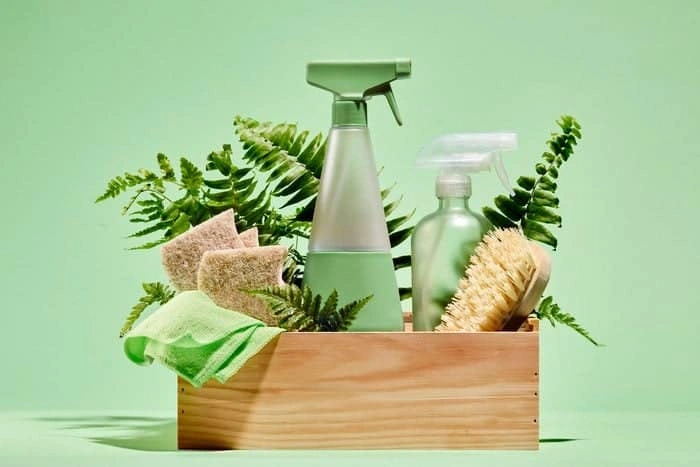
In an era where environmental consciousness shapes our daily decisions, sustainable home cleaning practices have emerged as a critical bridge between household hygiene and planetary health. Traditional cleaning products contribute to indoor air pollution, water contamination, and plastic waste—while sustainable alternatives offer powerful disinfecting capabilities without ecological compromise.
This comprehensive guide explores evidence-based green cleaning methodologies, from pantry-staple chemistry to zero-waste tool selections, empowering you to maintain a spotless home while minimizing your carbon footprint.
Table of Contents
- Why Sustainable Cleaning Matters
- The Core Principles of Eco-Friendly Cleaning
- Essential Natural Cleaning Ingredients
- DIY Sustainable Cleaning Recipes
- Zero-Waste Cleaning Tools & Equipment
- Room-by-Room Sustainable Cleaning Guide
- Sustainable Laundry Practices
- Common Green Cleaning Mistakes to Avoid
- Transitioning to Sustainable Cleaning: A 30-Day Plan
- FAQs
Why Sustainable Cleaning Matters
Conventional household cleaners contain volatile organic compounds (VOCs), phosphates, and synthetic fragrances that contaminate waterways and degrade indoor air quality. The Environmental Protection Agency (EPA) reports that indoor air pollution levels can be 2 to 5 times higher than outdoor levels, largely due to chemical cleaning products.
Environmental Impact of Traditional Cleaning:
- Water Pollution: Phosphates and surfactants disrupt aquatic ecosystems
- Plastic Waste: The cleaning industry generates millions of non-recyclable bottles annually
- Carbon Footprint: Petroleum-based ingredients require energy-intensive manufacturing
- Antibiotic Resistance: Overuse of antibacterial agents contributes to superbug development
Health Benefits of Sustainable Home Cleaning Practices:
- Reduced respiratory irritation and asthma triggers
- Lower risk of skin sensitivities and chemical burns
- Elimination of endocrine-disrupting phthalates
- Safer environments for children and pets
The Core Principles of Eco-Friendly Cleaning
Effective sustainable cleaning operates on three foundational pillars:
1. Biodegradability
Choose ingredients that break down into harmless compounds within 28 days. Look for products certified by Green Seal, EcoLogo, or USDA BioPreferred programs.
2. Minimal Processing
Prioritize ingredients requiring less energy to produce. Plant-derived surfactants typically have lower carbon footprints than petroleum-based alternatives.
3. Closed-Loop Systems
Opt for refillable containers, concentrate refills, and bulk purchasing to eliminate single-use packaging waste.
Essential Natural Cleaning Ingredients
Your transition to sustainable home cleaning practices begins with these pantry powerhouses:
| Ingredient | Cleaning Properties | Best Applications |
|---|---|---|
| White Vinegar | Acetic acid dissolves mineral deposits, cuts grease, deodorizes | Glass, countertops, descaling |
| Baking Soda | Mild abrasive, pH neutralizer, deodorizer | Scrubbing, odor absorption, drain cleaning |
| Castile Soap | Plant-based surfactant, biodegradable | Floors, dishes, general surfaces |
| Lemon Juice | Citric acid, natural bleaching, antibacterial | Cutting boards, stain removal, polishing |
| Hydrogen Peroxide | Oxidizing agent, disinfectant (3% solution) | Bathroom sanitation, whitening |
| Essential Oils | Antimicrobial, antifungal, fragrance | Tea tree, lavender, eucalyptus |
Pro Tip: Never mix vinegar and hydrogen peroxide directly in a container—this creates peracetic acid, which can irritate respiratory systems. Use them sequentially on surfaces instead.
DIY Sustainable Cleaning Recipes
All-Purpose Surface Cleaner
Ingredients:
- 1 cup distilled water
- 1 cup white vinegar
- 15 drops tea tree essential oil
- 10 drops lemon essential oil
Instructions: Combine in a glass spray bottle. Shake before each use. Safe for sealed countertops, tile, and glass. Avoid use on natural stone (vinegar etches marble and granite).
Heavy-Duty Scrubbing Paste
Ingredients:
- 1 cup baking soda
- 1/4 cup Castile soap
- 1 tablespoon water
- 5 drops peppermint oil
Instructions: Mix into a paste consistency. Apply to tubs, sinks, and stubborn stains using a reusable scrub brush. Rinse thoroughly.
Glass & Mirror Solution
Ingredients:
- 2 cups water
- 1/2 cup rubbing alcohol (optional for streak-free finish)
- 1/3 cup white vinegar
Instructions: Spray onto microfiber cloth first, then wipe surfaces to prevent oversaturation and streaking.
Zero-Waste Cleaning Tools & Equipment
Sustainable home cleaning practices extend beyond solutions to the tools themselves:
Reusable Alternatives to Disposables
Microfiber Cloths vs. Paper Towels
- Single microfiber cloth replaces up to 100 rolls of paper towels
- Trap bacteria effectively (wash at 140°F to sterilize)
- Available in color-coded systems to prevent cross-contamination
Swedish Dishcloths
- Cellulose-cotton blend composts within 6 months
- Absorbs 15x its weight in liquid
- Replaces sponges (which harbor bacteria and shed microplastics)
Natural Bristle Brushes
- Tampico and sisal fibers effectively scrub without scratching
- Wooden handles biodegrade at end-of-life
- Avoid plastic scrubbers that shed microplastics into waterways
Sustainable Storage Solutions
- Glass spray bottles: Infinitely recyclable, non-reactive with essential oils
- Silicone storage bags: For homemade cleaning pods and wipes
- Mason jars: Ideal for bulk-buying concentrates and storing DIY pastes
Room-by-Room Sustainable Cleaning Guide
Kitchen
Sustainable Degreasing: Heat 1 cup vinegar with 1 tablespoon cornstarch until thickened. Cool and apply to range hoods and stovetops—the acidic solution cuts through grease without petroleum solvents.
Refrigerator Refresh: Place an open box of baking soda to absorb odors naturally. Clean shelves with a solution of 2 tablespoons baking soda per quart of warm water.
Drain Maintenance: Weekly treatment of 1/2 cup baking soda followed by 1 cup vinegar prevents clogs without corrosive chemical drain cleaners.
Bathroom
Toilet Bowl Cleaning: Sprinkle baking soda into the bowl, add 1 cup vinegar, let foam for 10 minutes, then scrub with a bamboo toilet brush. For hard water stains, soak toilet paper in vinegar and press under the rim overnight.
Mold & Mildew Prevention: Mix hydrogen peroxide and water (1:1 ratio) in a spray bottle. Apply to grout and shower curtains. Tea tree oil (1 teaspoon per cup of water) provides ongoing antifungal protection.
Mirror Polishing: Use coffee filters instead of paper towels—they’re lint-free and compostable.
Living Areas
Dust Management: Dampen microfiber cloths slightly to capture dust rather than dispersing it. For wood furniture, mix 1 teaspoon olive oil with 1/4 cup vinegar for natural conditioning.
Carpet Freshening: Sprinkle baking soda mixed with dried lavender buds. Let sit 15 minutes, then vacuum. For stains, apply club soda immediately—the carbonation lifts particles to the surface.
Air Purification: Place activated charcoal bags in closets and corners to absorb VOCs and moisture without synthetic air fresheners.
Sustainable Laundry Practices
Conventional laundry detergents contain phosphates and optical brighteners that damage aquatic ecosystems. Upgrade your routine:
Eco-Friendly Detergent Options
- Soap nuts: Natural saponins from Sapindus mukorossi berries clean effectively in cold water
- Refillable laundry concentrates: Reduce plastic packaging by 80%
- Wool dryer balls: Replace dryer sheets, reduce drying time by 25%, and last 1,000+ loads
Water Temperature Optimization
90% of washing machine energy heats water. Sustainable home cleaning practices prioritize cold water washing (60°F or below), which preserves fabric integrity and reduces carbon emissions.
Microplastic Reduction
Install a Coraball or Guppyfriend Bag when washing synthetic fabrics to capture microfibers before they enter waterways.
Common Green Cleaning Mistakes to Avoid
Even well-intentioned sustainable home cleaning practices can backfire:
1. Assuming “Natural” Means “Non-Toxic” Concentrated essential oils can harm pets (tea tree oil is toxic to cats). Always research ingredient safety for your specific household.
2. Mixing Incompatible Ingredients
- Vinegar + Bleach = Toxic chlorine gas
- Baking Soda + Vinegar (stored together) = Neutralized salt water ( ineffective)
- Hydrogen Peroxide + Vinegar = Corrosive peracetic acid
3. Overusing Products More isn’t better. Excess soap leaves residue that attracts dirt. Use measured amounts and thorough rinsing.
4. Ignoring Contact Time Natural disinfectants require longer dwell times. Hydrogen peroxide needs 10 minutes of wet contact to sanitize effectively.
Transitioning to Sustainable Cleaning: A 30-Day Plan
Week 1: Audit your current products. Use up existing cleaners (safely) rather than discarding them. Purchase glass spray bottles and microfiber cloths.
Week 2: Implement DIY recipes for all-purpose and glass cleaning. Replace paper towels with Swedish dishcloths.
Week 3: Transition bathroom cleaners to baking soda and vinegar solutions. Install wool dryer balls.
Week 4: Establish bulk-buying systems for Castile soap and washing soda. Compost used natural scrub brushes.
FAQs
Are natural cleaners as effective as chemical disinfectants?
Plant-based cleaners effectively remove dirt and grime. For disinfection (killing 99.9% of germs), hydrogen peroxide (3%), rubbing alcohol (70%), and thyme oil (Thymol) are EPA-registered natural alternatives to bleach.
How do I deal with the vinegar smell?
The scent dissipates within 30 minutes as vinegar evaporates. Mask temporarily with citrus essential oils, or use vodka-based cleaners for odor-sensitive individuals.
Can I use sustainable cleaning practices if I have hard water?
Yes, but increase vinegar concentration for descaling. Install a water softener or use citric acid (more potent than vinegar) for mineral deposit removal.
Are sustainable cleaning products more expensive?
Initially, glass bottles and concentrate refills may cost more. However, DIY ingredients cost pennies per use compared to $4-8 commercial sprays. Over 12 months, sustainable practices typically save 40-60% on cleaning supplies.
How do I clean natural stone sustainably?
Avoid vinegar and lemon on marble, granite, or travertine. Use pH-neutral Castile soap solutions (1 tablespoon per quart of water) and microfiber cloths only.
Conclusion
Adopting sustainable home cleaning practices represents a meaningful investment in both environmental stewardship and household health. By leveraging simple biochemistry—acids that dissolve minerals, bases that cut grease, and mechanical scrubbing—you achieve clinical cleanliness without ecological compromise.
Start with one DIY recipe or tool swap. Small, consistent changes compound into significant impact, transforming your cleaning routine from a source of pollution into a practice of planetary care.
Ready to start your green cleaning journey? Begin by auditing your current cleaning cabinet this weekend, and implement your first homemade solution. Your home—and the planet—will thank you.
You May Like This:
Smart and Practical Modern Home Living Tips for 2026
About the Author