Picture mercury pooling across your garage, a storm cloud frozen mid-swirl in your kitchen, or sheets of burnished copper rolling across a showroom. That is not science fiction — it is a metallic epoxy resin floor, and it is achievable in almost any UK property. This guide covers everything: how the chemistry works, which rooms suit it best, what it actually costs in 2026, how it compares to other decorative epoxy options, and exactly how to survive the installation process without losing your mind.
What Exactly Is a Metallic Epoxy Resin Floor?
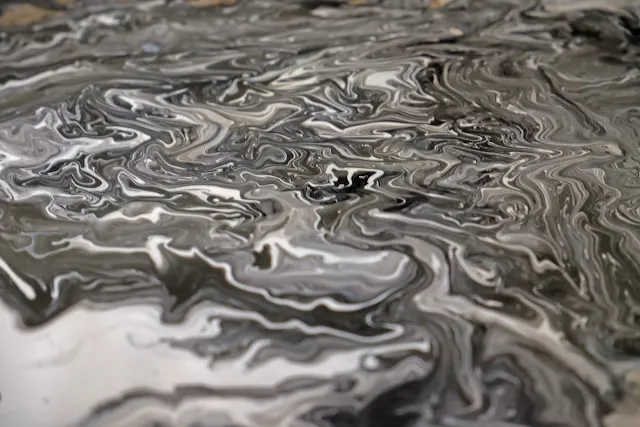
A metallic epoxy resin floor is a seamless, poured-resin surface system in which ultra-fine metallic or pearlescent pigment powders are dispersed through a two-part epoxy binder. When installers manipulate the wet resin — using heat guns, solvents, or specialised rollers — the pigment particles migrate, separate, and regroup, locking in patterns that can resemble everything from molten lava to polished marble to the surface of the moon.
The result is a floor that is, in a very literal sense, unique. No two pours produce identical swirls, which is simultaneously one of the format’s greatest selling points and its biggest risk if you are hoping to match a previous pour exactly.
How the Metallic Effect Is Created
Understanding the chemistry demystifies both the magic and the mistakes. The core components are a standard epoxy resin (Part A) and a hardener (Part B). When mixed, they begin an exothermic reaction that, over several hours, produces an incredibly hard thermoset polymer. What makes the metallic system special is the third ingredient: the pigment.
Diamond-Ground Substrate Prep
The concrete is profiled to CSP 3–4 using a dustless diamond grinder. Any cracks are repaired with epoxy mortar. Moisture testing must confirm readings below 75% RH — the UK’s damp subfloors are the number-one cause of delamination.
Epoxy Primer Layer
A low-viscosity penetrating primer seals the concrete’s porosity, providing a chemically receptive bond coat for the layers above. Typically 100–150 microns. Left to cure for 8–12 hours.
Metallic Broadcast Coat
The mixed epoxy resin has metallic pigment powder blended in (typically at 2–5% by weight). It is poured and spread across the primed floor. While still wet, the installer uses a heat gun, notched squeegee, and sometimes a small solvent spray to push the pigment into rivers, depth clouds, and swirl patterns.
Second Metallic Layer (Optional)
Many premium systems add a second contrasting metallic colour, creating a 3D depth effect. A translucent epoxy binder is poured over the first cured layer and the second pigment is worked into it.
Clear Topcoat (UV-Stable)
A two-part polyurethane or aliphatic epoxy topcoat, 100–200 microns, is rolled over the cured metallic layer. This provides scratch resistance, chemical resistance, and UV stability. Without it, epoxy yellows within months in natural light.
Colour Options & Design Possibilities
One of the most compelling aspects of a metallic epoxy resin floor is the sheer breadth of visual outcomes. The same physical process can produce results ranging from serene and almost Zen-like to bold and industrial, depending entirely on pigment selection and manipulation technique.
Beyond solid colour fields, skilled applicators can create specific design effects:
Ocean Marble
Deep blues and greens swirled with white, resembling aerial views of shallow tropical reefs.
Galaxy Pour
Black base with scattered silver and gold particles creating a starfield that shifts under different lighting.
Lava Flow
Dark charcoal base with copper or orange channels that look like cooling magma cracks.
Storm Cloud
Grey and white with subtle silver — the most commercially popular finish in UK offices and showrooms.
Aged Bronze
Warm brown-orange with greenish-grey patina highlights. Incredibly popular in heritage UK properties.
Pearl Mist
Soft white or cream with pearl pigment — a feminine, luxurious choice for spas, bathrooms, and boutiques.
Best Rooms & Applications in a UK Home
Not every room suits a metallic epoxy resin floor equally. The material excels in spaces where its visual drama can breathe and where its chemical resistance provides genuine practical value.
| Room / Space | Suitability | Best Colour Direction | Key Consideration |
|---|---|---|---|
| Garage / Workshop | ⭐⭐⭐⭐⭐ Excellent | Silver, Charcoal, Gunmetal | Temperature control during install |
| Kitchen | ⭐⭐⭐⭐ Very Good | Warm Gold, Marble White, Copper | Anti-slip topcoat essential |
| Open-Plan Living | ⭐⭐⭐⭐ Very Good | Ocean Blue, Emerald, Pearl | UV-stable topcoat for sun-facing rooms |
| Bathroom | ⭐⭐⭐ Good | Pearl, Teal, Grey | 100% waterproof seal at walls; anti-slip grit |
| Commercial Showroom | ⭐⭐⭐⭐⭐ Excellent | Brand-matched bespoke colours | High-traffic polyurethane topcoat needed |
| Basement / Cellar | ⭐⭐⭐ Good | Deep tones to hide moisture staining | Damp-proof membrane critical; UK basements notoriously wet |
| Bedroom | ⭐⭐ Moderate | Soft Pearl, Warm Bronze | Hard underfoot; area rugs recommended; cold in winter |
| 🏆 Garages, kitchens, and commercial spaces offer the best cost-to-impact ratio for metallic epoxy in the UK | |||
Metallic vs. Other Decorative Epoxy Systems
If you have been researching decorative epoxy resin flooring options, you will have come across at least three competing systems. Here is how they compare honestly.
| System | Visual Result | Cost (installed/m²) | Slip Resistance | Repairability |
|---|---|---|---|---|
| Metallic Epoxy | Swirling, liquid-metal, 3D depth | £40–£120 | Low (needs anti-slip grit) | Difficult — patches show |
| Flake / Broadcast Chip | Terrazzo-like, speckled | £25–£65 | Good — texture built in | Moderate — blends reasonably |
| Epoxy Resin Stone | Natural stone appearance, subtle | £50–£130 | Very Good — aggregate texture | Moderate — less obvious joints |
| Solid Colour Epoxy | Clean, industrial, flat colour | £15–£45 | Moderate (can add grit) | Excellent — easy to recoat |
| Quartz / Screed | Sand-textured, commercial look | £30–£70 | Excellent | Good |
Metallic epoxy wins on visual drama every single time. But it demands more from both the installer and the substrate than any other floor system. Respect the process and it lasts decades. Shortcut the prep and it peels within months.— Industry principle, epoxy resin flooring trade
Step-by-Step Installation Process
Whether you are hiring a professional or seriously considering the DIY epoxy resin flooring route, understanding each stage ensures you can hold an installer accountable — or tackle it yourself with open eyes.
Stage 1: Substrate Assessment (Day 1)
Before a single drop of resin touches the floor, the concrete must be assessed for compressive strength (minimum 25 N/mm²), moisture content, contamination (oil, paint, adhesive residue), and level. UK concrete is famously variable — Victorian properties often sit on mixed rubble fill that flexes, which means epoxy may crack without proper flexible primer.
Stage 2: Surface Preparation (Day 1–2)
Diamond grinding or shot blasting opens the concrete’s pores and creates the mechanical key needed for adhesion. This is not optional. Rollers and brushes on unprepared concrete produce beautiful-looking floors that delaminate within six months. Any active cracks need routing and filling with a semi-flexible epoxy mortar.
Stage 3: Primer Application (Day 2)
A penetrating epoxy primer — typically a clear, solvent-free, low-viscosity formulation — is poured onto the prepared concrete and spread with a short-pile roller. Any pinholes or blow-out bubbles must be back-rolled before the primer gels. Cure time: 8–16 hours at 15–20°C.
Stage 4: Metallic Broadcast (Day 3)
This is the artistic core of the job. The mixed metallic epoxy is poured in sections and spread with a notched squeegee to the target wet film thickness. The installer then manipulates pigment distribution using a heat gun (held 30–45 cm above the surface), a small spray bottle of denatured alcohol, and proprietary tools to create swirls, depth fields, and contrast lines. Working time is typically 25–40 minutes depending on temperature.
Stage 5: Second Colour Layer (Day 4, if applicable)
Once the first metallic coat has cured to a firm but not fully hard state (typically 12–16 hours), a second contrasting metallic or translucent epoxy layer is poured and manipulated. This builds the layered, three-dimensional depth that separates premium metallic installs from budget single-pour versions.
Stage 6: Clear Topcoat (Day 5)
A UV-stable, two-component polyurethane topcoat is applied at 150–200 microns. For anti-slip specification — mandatory in kitchens and bathrooms under UK building regs — aluminium oxide or silica grit is broadcast at 5–15 g/m² into the wet topcoat. A second topcoat locks the grit in and provides the final finish level (matte, satin, or gloss).
Stage 7: Curing & Handover (Day 5–8)
Light foot traffic is possible at 72 hours. Full chemical cure — when the floor can withstand heavy vehicle traffic or chemical spills without damage — takes 7 full days at 18°C+. In a cold UK autumn, add 20–30% more time per 3°C drop below 18°C.
Cost Breakdown: What to Budget in 2026
Metallic epoxy resin flooring sits in the mid-to-upper tier of resin flooring costs in the UK. For a full breakdown of what drives your final quote, the article on hidden factors driving UK resin flooring cost is essential reading. But here is the headline breakdown for a metallic system specifically.
| Cost Component | Budget Spec | Mid-Range | Premium |
|---|---|---|---|
| Surface preparation (per m²) | £5–£8 | £8–£14 | £14–£22 |
| Primer coat (per m²) | £3–£5 | £5–£8 | £8–£12 |
| Metallic broadcast coat (per m²) | £12–£20 | £20–£35 | £35–£55 |
| Second metallic layer (per m²) | — | £8–£15 | £15–£25 |
| Topcoat — polyurethane (per m²) | £5–£8 | £8–£14 | £14–£20 |
| Total installed (per m²) | £25–£40 | £50–£85 | £85–£135 |
| All prices include VAT and London-SE England labour rates. Add 10–20% for complex shapes, many columns, or tight access. | |||
Care & Maintenance Tips
A properly installed metallic epoxy resin floor is one of the lowest-maintenance surfaces you can own. Here is what actually matters in a UK context.
Daily / Weekly Cleaning
Soft mop or microfibre flat mop with warm water. A pH-neutral floor cleaner (avoid acidic products like white vinegar — they will dull the topcoat over time).
What to Avoid
Steam mops (thermal shock can stress the topcoat). Bleach and harsh solvents. Abrasive scrubbing pads. Dragging heavy furniture without felt pads.
Annual Topcoat Refresh
In high-traffic commercial areas, a fresh coat of polyurethane every 3–5 years extends the floor’s visual life dramatically. Far cheaper than a full re-pour.
UV Exposure
Standard epoxy yellows rapidly in UV. If your floor gets direct sunlight, the UV-stable aliphatic polyurethane topcoat is not optional — budget for it from day one.
Crack or Chip Repairs
Small chips can be filled with clear epoxy and lightly sanded. Larger damage is tricky because the metallic pattern cannot be perfectly matched — plan repairs to cover the full section between control joints.
UK Winter Considerations
De-icing salts tracked in from driveways can attack even polyurethane topcoats over time. A boot scraper and entrance mat at external doors adds years to a metallic floor’s life.
Honest Pros & Cons
| ✅ Advantages | ❌ Disadvantages |
|---|---|
| Unique, one-of-a-kind aesthetic — no two floors identical | Patchy repairs are nearly impossible to disguise |
| Seamless surface — no grout lines to harbour bacteria | Slippery when wet without anti-slip additive |
| Exceptionally durable — 20+ year lifespan properly maintained | Application is highly skill-dependent; bad installs look terrible |
| Chemical and stain resistant | Can yellow without UV-stable topcoat in sunlit rooms |
| Wide colour and design latitude | Cold and hard underfoot — not ideal for bedrooms or areas where people stand for long periods |
| Increases perceived property value in the right context | Substrate prep is non-negotiable — can double quoted cost if concrete is in poor condition |
| Relatively easy to clean and maintain | UK climate (cold, damp) complicates installation scheduling |
Frequently Asked Questions
Final Verdict: Is a Metallic Epoxy Resin Floor Right for You?
If you want a floor that stops people mid-step — one that looks like it belongs in an Aston Martin showroom, a London loft conversion, or a Michelin-starred restaurant — and you are prepared to invest properly in substrate preparation, temperature control, and a skilled installation, then a metallic epoxy resin floor is an outstanding choice.
It is not the right answer for everyone. If budget is the primary driver, a flake system or solid epoxy will serve you better. If you need a floor that can be patched invisibly after the kids drag a bike across it, look at more forgiving surfaces. But if visual drama, seamless hygiene, long-term durability, and the satisfaction of owning something genuinely unique matter to you — this is your floor.
The three things that determine success every single time: prep the concrete properly, respect temperature requirements, and use a UV-stable topcoat. Get those right and your metallic epoxy floor will still be turning heads in 2046.
About the Author